My unhurried day at Topkapı Palace, the Harem, and a quiet table in Sultanahmet
I spent a full walking day exploring Topkapı Palace courtyard by courtyard, stepped through the tiled rooms of the Harem, cooled off in the Basilica Cistern, and ended up on Soğuk Çeşme Street.
On previous visits to Istanbul, I often rushed through Sultanahmet trying to fit too much into a single morning. This time, I set aside almost a whole day just for the eastern tip of the peninsula. As a geography teacher, I have always been fascinated by how the Ottomans chose this exact promontory—Sarayburnu—perched above the confluence of the Golden Horn, the Bosphorus, and the Sea of Marmara. It offered complete visual control over maritime traffic and natural defense on three sides. I wanted to walk the grounds slowly, without the feeling of being herded along.
I stepped off the T1 tram at Sultanahmet and bypassed the main square entirely, heading straight behind Hagia Sophia to the Imperial Gate of Topkapı Palace. Walking through the monumental stone arch brought me into the first courtyard, a vast public park with gravel paths and towering plane trees. The ancient brickwork of Hagia Irene stood quietly on my left, set against open lawns. Unlike European royal palaces designed around rigid symmetrical axes, Topkapı felt more like an inhabited, fortified village arranged across successive enclosures.
Courtyard by courtyard: The council, the kitchens, and the tower
Passing through the Gate of Salutation, with its twin conical towers, I entered the second courtyard. The sudden shift in atmosphere was noticeable immediately. The gravel walkways were framed by wide lawns and cypress trees, and the loud bustle of the outer gate dropped into a steady, dignified hush.
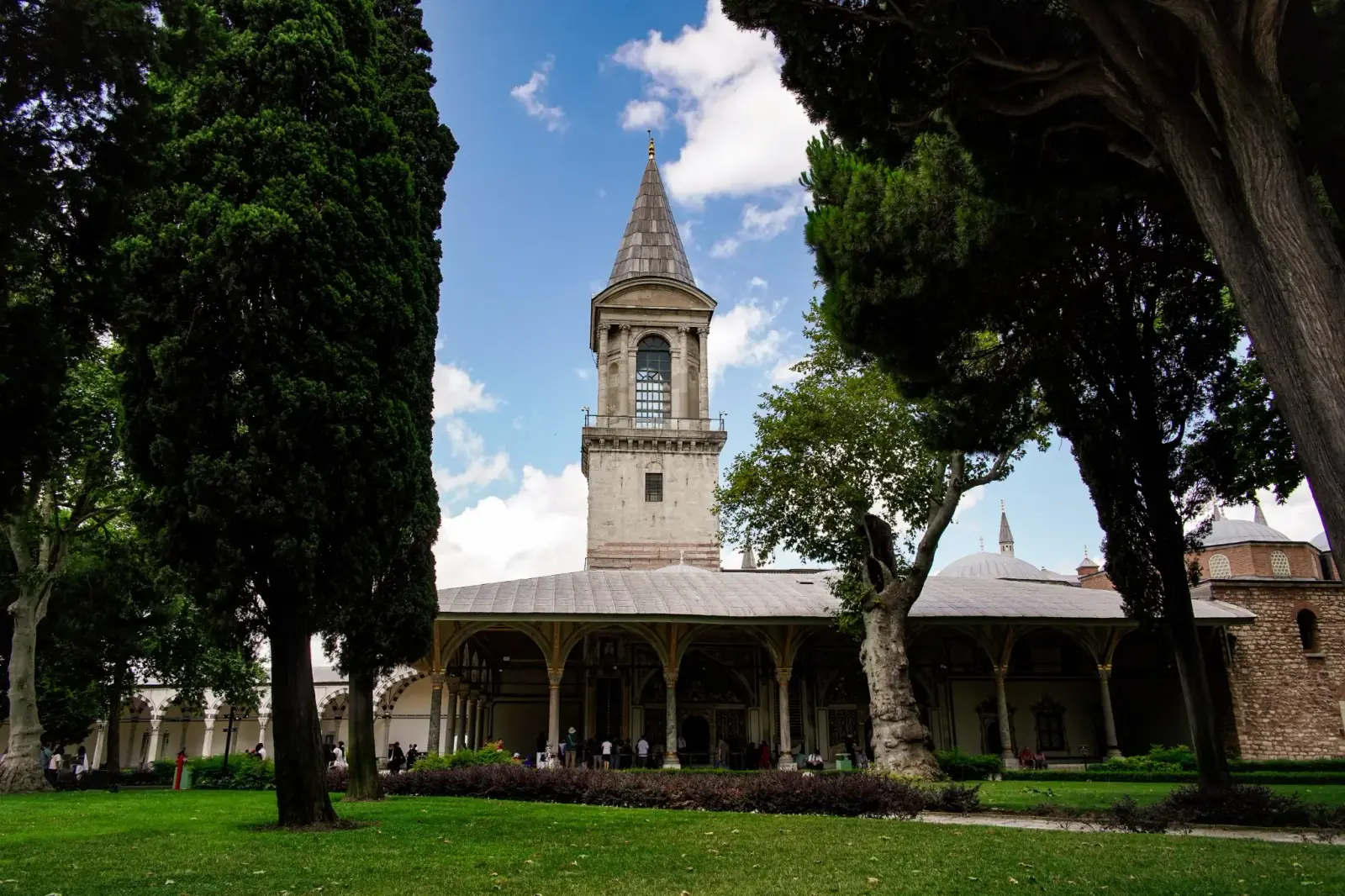
My first stop inside this courtyard was the Imperial Council Hall, the Kubbealtı. Stepping into the chamber where the Grand Vizier and state officials once sat beneath gilded ceilings was sobering. Up on the wall, behind a small grilled window, was the vantage point where the Sultan could secretly listen to proceedings without being seen. From there, I crossed the lawn to the palace kitchens on the opposite side. The long line of stone chimneys that I had seen from the ferry the afternoon before were now directly above me. Inside, the galleries displayed massive copper cauldrons, confectioner equipment, and an astonishing collection of celadon and blue-and-white porcelain. Celadon was prized by Ottoman sultans because folklore claimed the glaze would change color or crack if it touched poisoned food—a very practical precaution in imperial court life.
Stepping into the Harem
I made sure not to rush past the entrance to the Harem. In the past, I had made the mistake of treating it like an afterthought, but it is truly an entire world within the palace. The transition from the open courtyard into the narrow, dimly lit corridor of the Black Eunuchs felt dramatic. The walls were covered from baseboard to ceiling in deep blue and turquoise tiles, their surfaces cool to the touch.
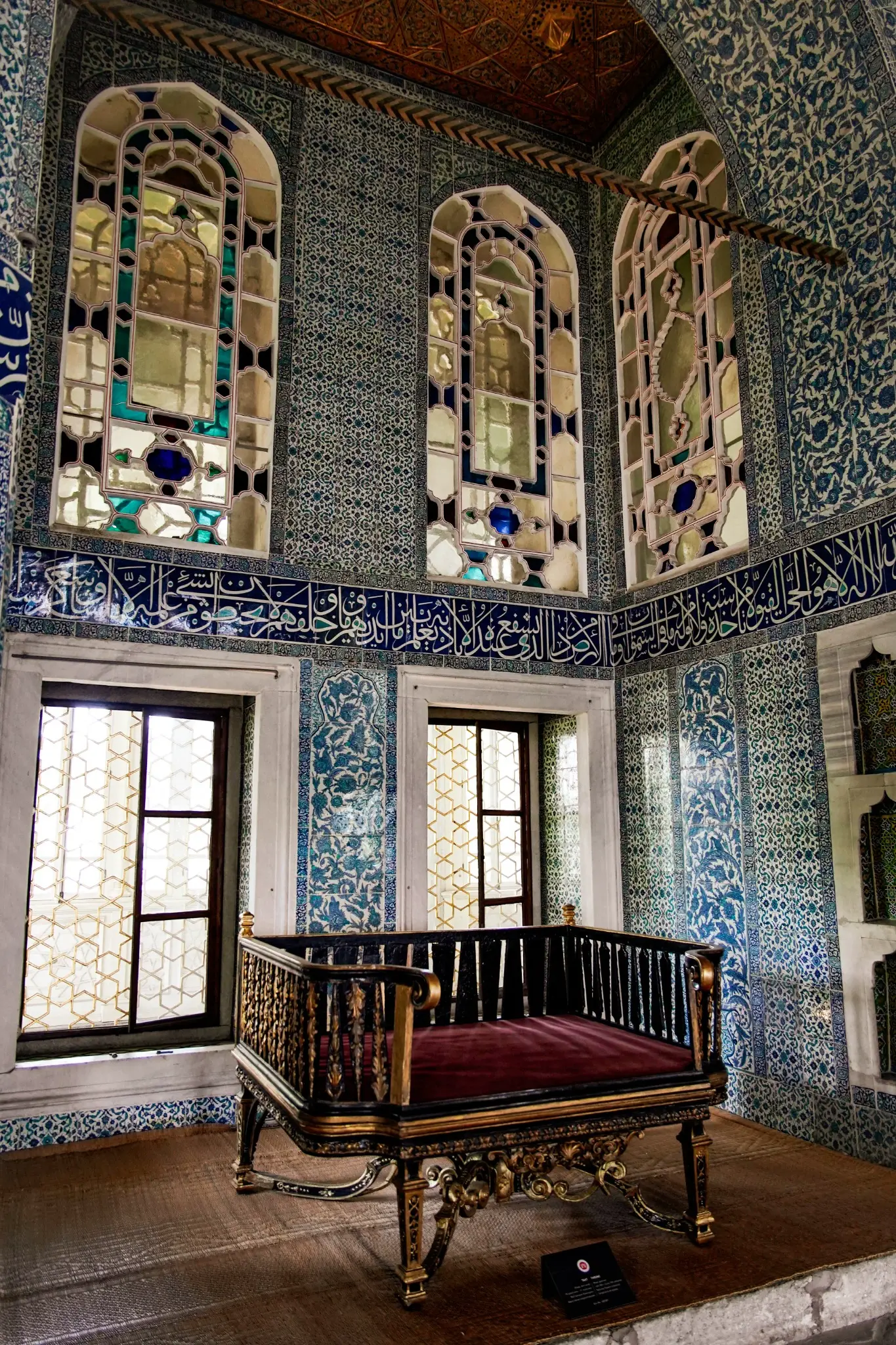
I wandered through the residential suites, moving from the Courtyard of the Queen Mother to the private apartments of the sultans. The Privy Chamber of Murad III stopped me in my tracks: the delicate calligraphy bands, the intricate Iznik tile panels, and the indoor marble fountain designed to mask private conversations with the sound of trickling water. What surprised me most was how intimate the scale felt compared to the monumental exterior of the palace. It was maze-like, vertical, and clearly designed for secrecy and seclusion.
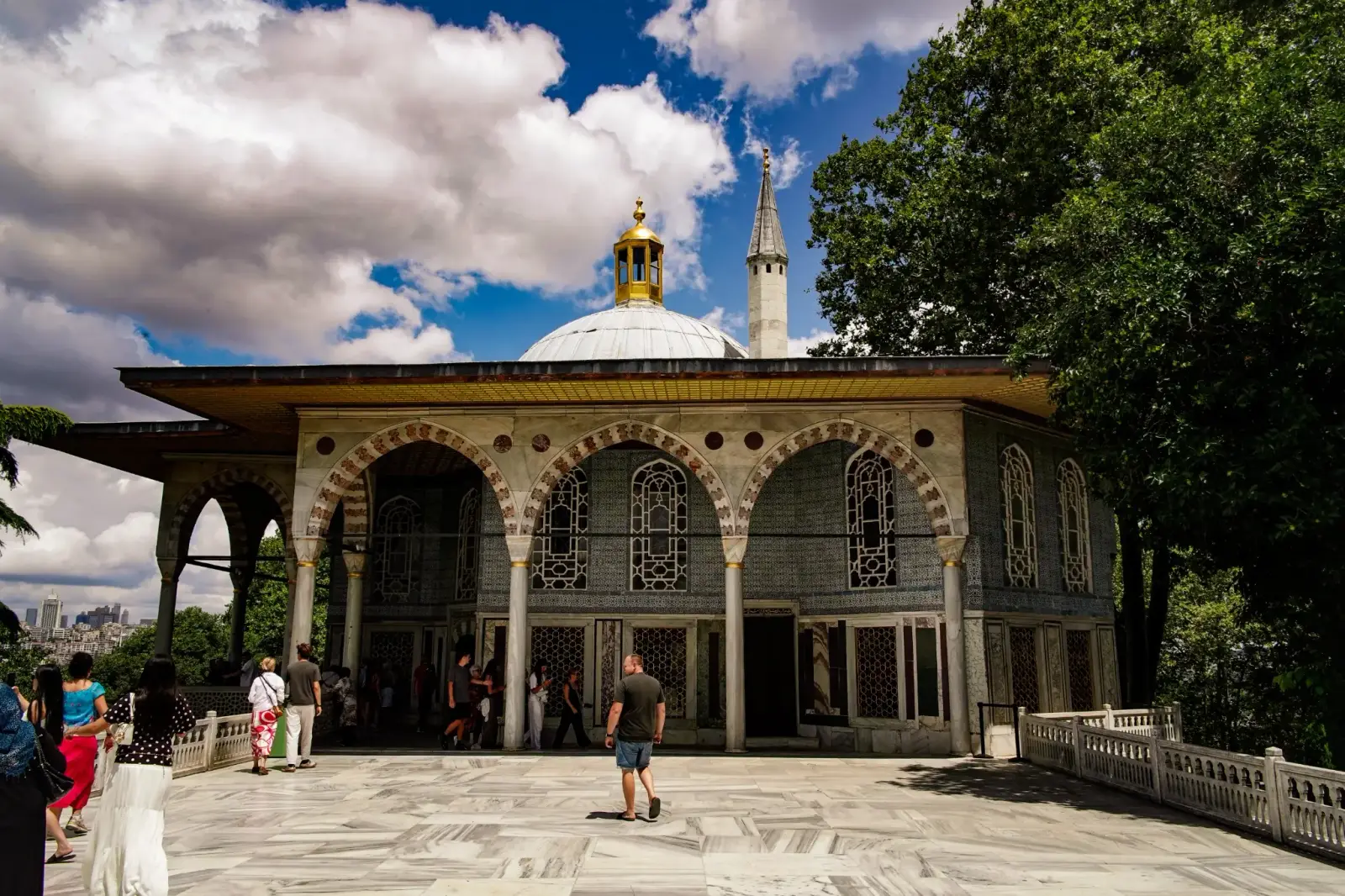
Leaving the Harem brought me out into the third and fourth courtyards, where the palace opens up completely. I spent time walking through the Treasury exhibits and the library, but what I enjoyed most was walking out onto the marble terraces of the fourth courtyard. The pavilions here—the Baghdad Pavilion and the Revan Pavilion—are masterclasses in Ottoman kiosk architecture, with mother-of-pearl shutters, stained glass, and painted wooden domes.
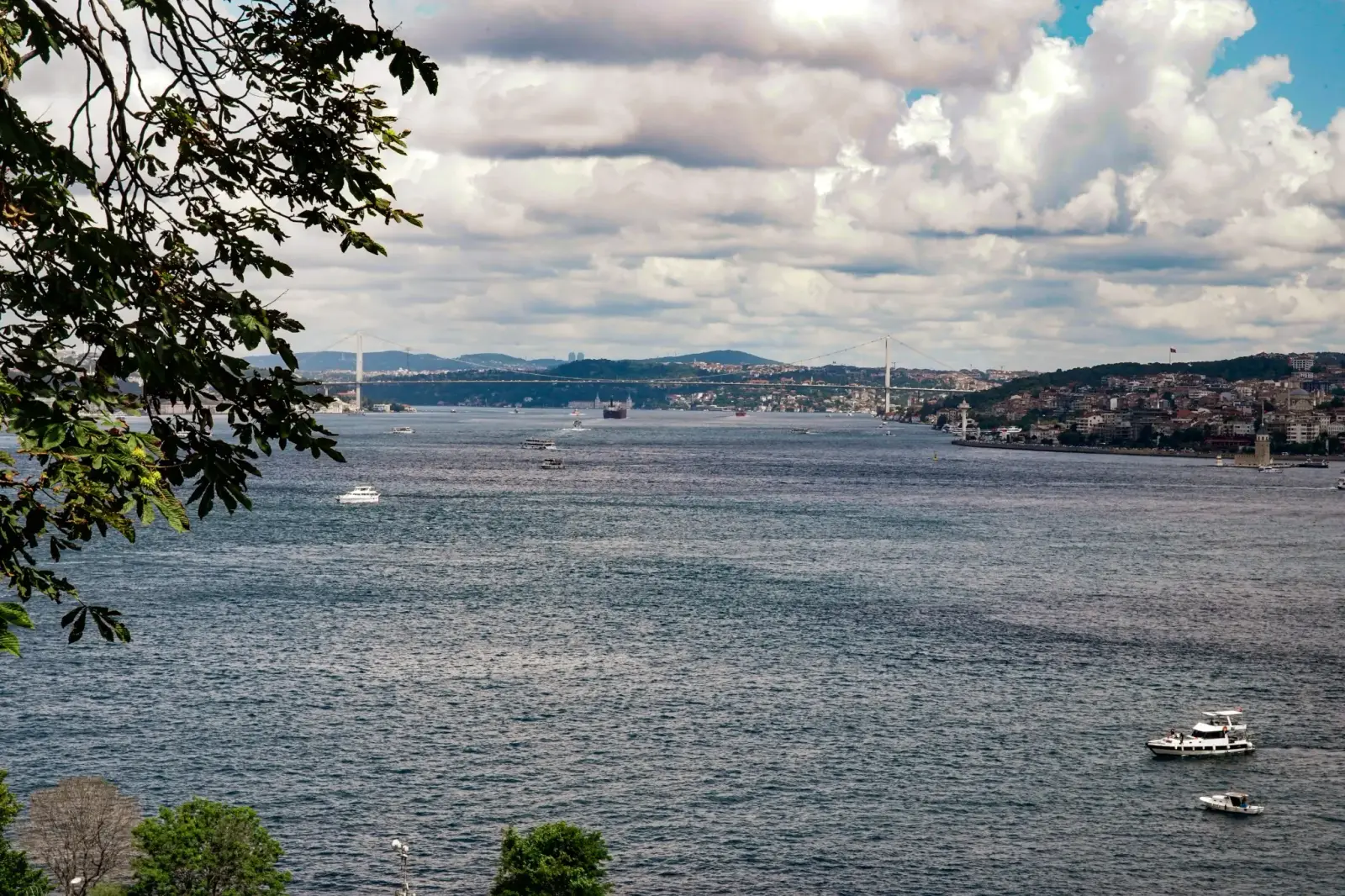
I leaned over the stone balustrade and took in the view. Down below, cargo ships were navigating the fast currents of the Bosphorus, while commuter ferries crisscrossed between Karaköy and Üsküdar. Seeing the water from this height explained everything about why the palace was placed here. It felt peaceful, breezy, and far removed from the city traffic.
Tickets and visiting hoursTopkapi Palace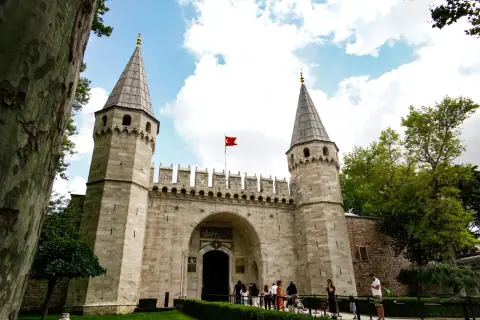
Underground silence at the Basilica Cistern
By early afternoon, my legs were feeling the miles of stone flagstones and marble staircases. I walked back out through the outer gates and crossed the tram tracks near Hagia Sophia to head underground into the Basilica Cistern.
Stepping down the concrete stairs into the subterranean reservoir was an instant relief from the afternoon sun. The temperature dropped significantly, and the dim, amber lighting cast long shadows across a forest of three hundred and thirty-six marble columns rising out of shallow water. Soft ambient music and the steady sound of dripping water echoed through the brick vaults.
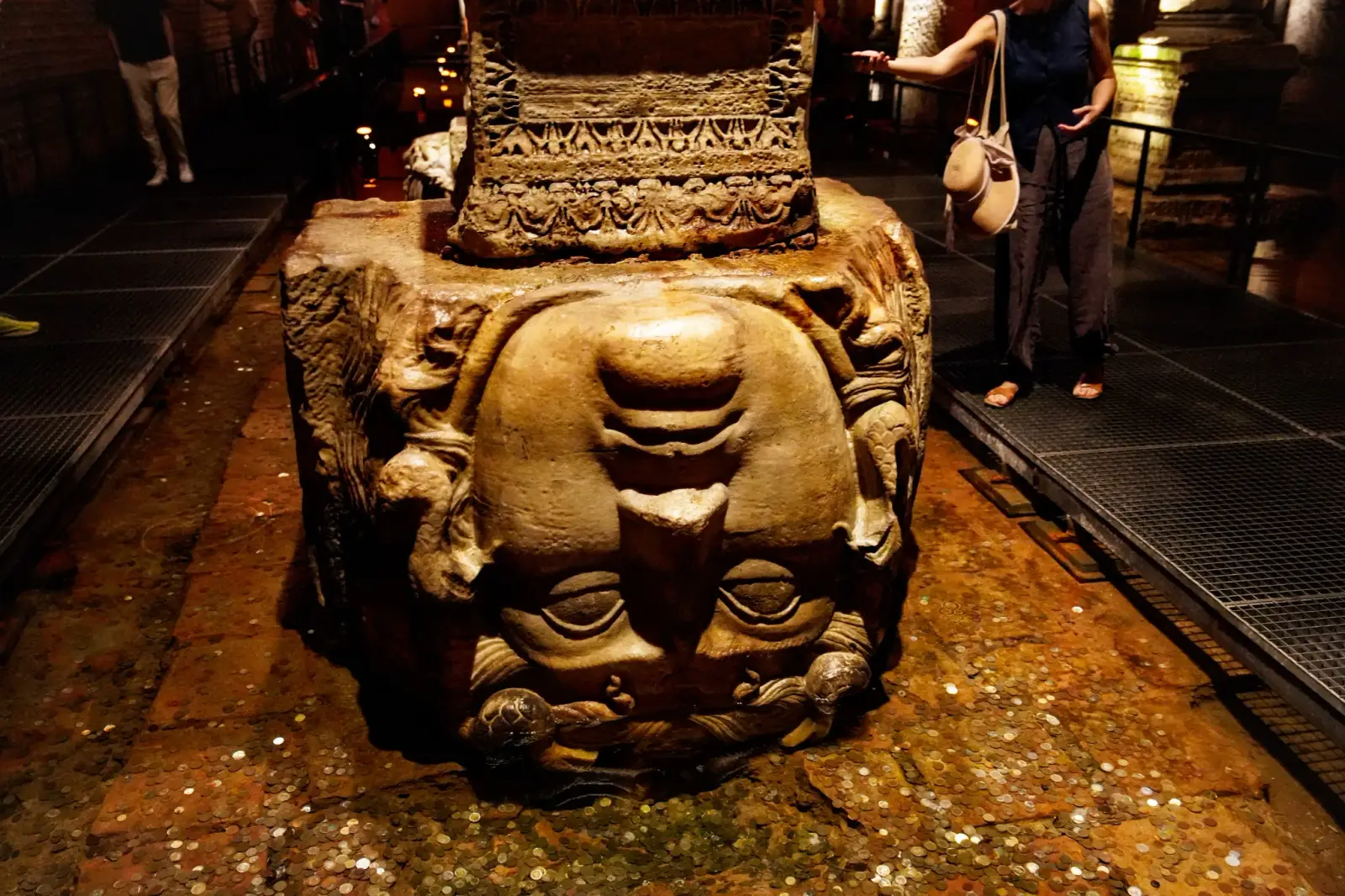
I followed the raised wooden walkways toward the far northwestern corner. There, supporting the bases of two separate columns, sit the famous Roman Medusa heads. One is turned on its side, and the other is turned completely upside down. Looking closely at the carving, it is clear they were scavenged from older Roman buildings and used purely as structural building blocks; their orientation prevented anyone from worrying about ancient pagan superstitions. Walking the perimeter path gave me a calm, meditative break after the visual density of the palace.
Tickets and visiting hoursBasilica Cistern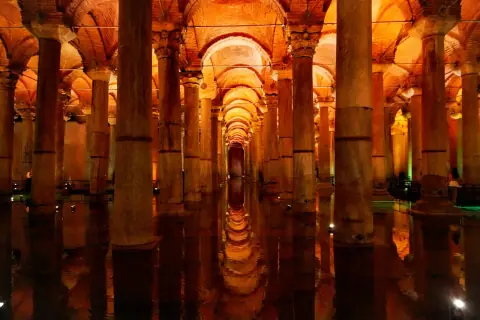
Ending the day on Soğuk Çeşme Street
Emerging back onto the street, I had no desire to hop on a crowded tram or search for food in the tourist-heavy lanes around the Hippodrome. Instead, I turned back toward the stone curtain walls of Topkapı Palace and walked along Soğuk Çeşme Street. It is a quiet, paved lane lined with restored nineteenth-century timber houses built directly against the old palace walls.
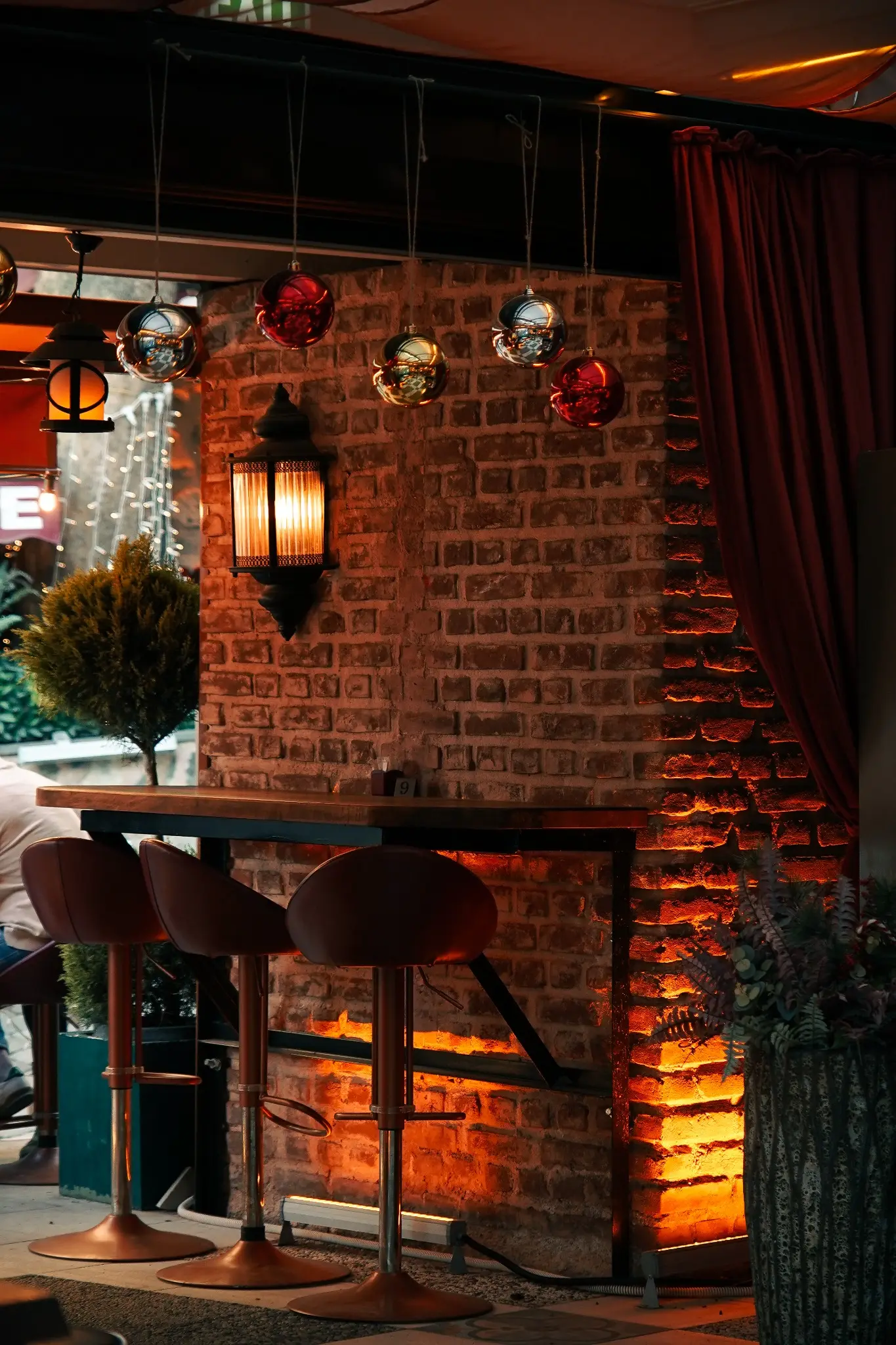
Tucked right into this historic pocket is Chimney Bistro. I spotted the brick bar and decided to head up toward the open roof for an early dinner. The atmosphere was casual and unpretentious, which was exactly what I needed after a day on my feet. I opted for the Chimney Combo, which paired a solid meal with a drink without any complicated menu calculations. Sitting under the open sky next to centuries-old stone walls, enjoying a hot beef pide and a cold local beer, was the ideal way to let the day settle.
Book a table and the meal comboChimney Bistro, Sultanahmet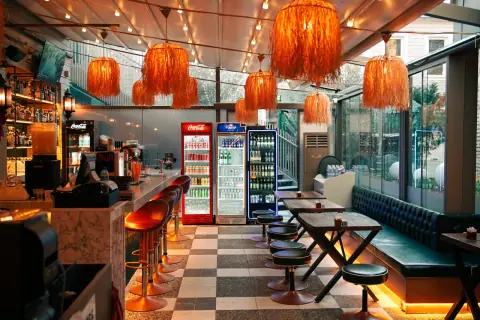
What worked well for me
- Dedicating nearly four hours to Topkapı Palace meant I never had to rush through the courtyards or skip the quiet rooms of the Harem.
- Visiting the Basilica Cistern right after the palace offered a welcome cooling-off period and an easy, low-effort walk underground.
- Ending the day on the pedestrian-only stones of Soğuk Çeşme Street kept me away from traffic and gave me a quiet corner to sit down without having to cross town.