My day between water and stone: Hagia Sophia, the Cistern, and an evening at Chimney Bistro
I spent a quiet day tracing Byzantine engineering on the Historic Peninsula, moving from the upper galleries of Hagia Sophia down into the Basilica Cistern before ending with a hot pide by the palace walls.
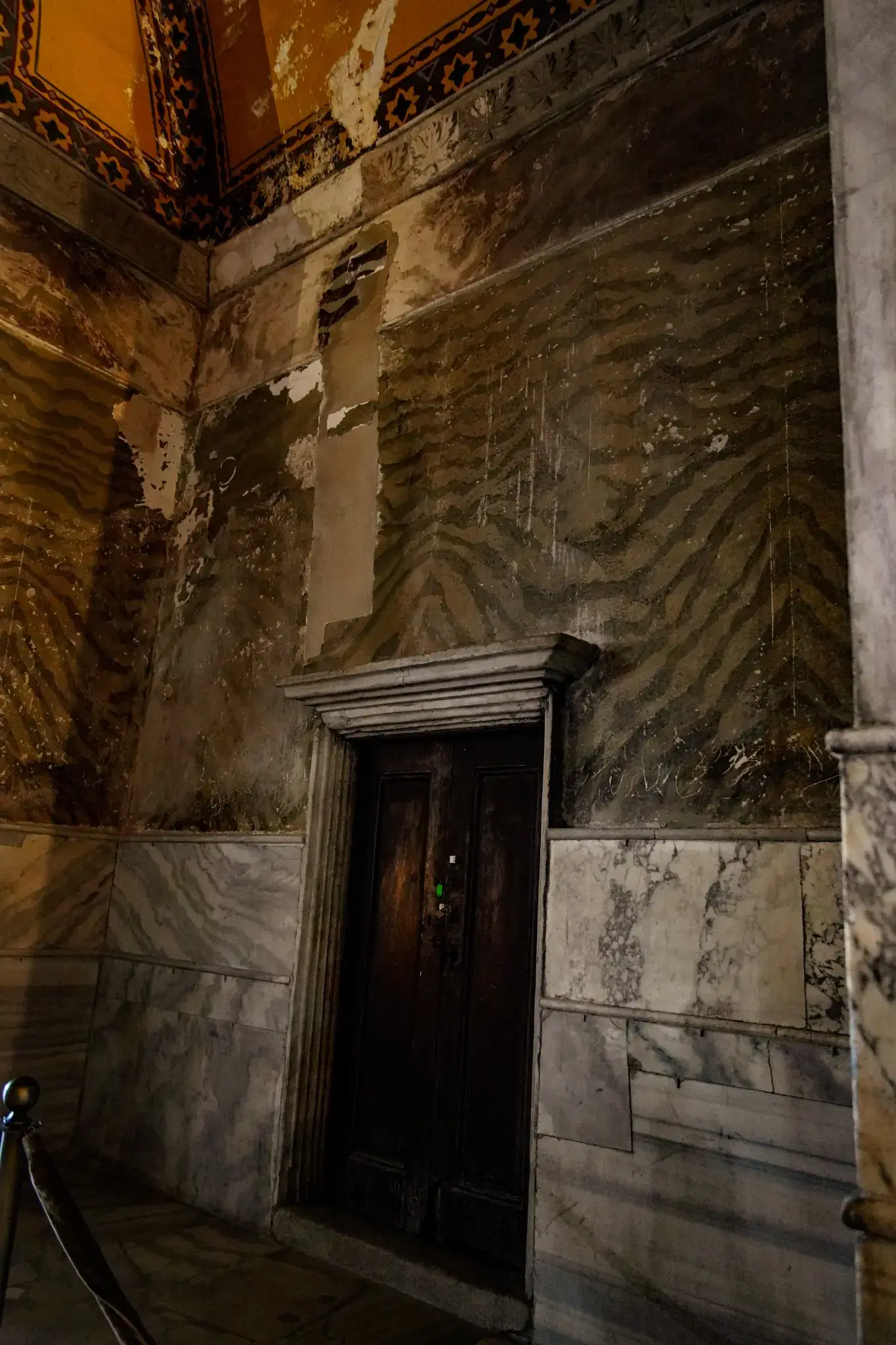
Morning light on the stones of Sultanahmet
I stepped out onto the cobblestones just as the morning mist was lifting off the Marmara Sea. As a geography teacher, I have spent years looking at maps of Constantinople, but nothing replaces the physical sensation of walking this peninsula. The way the ground swells into gentle ridges, the layers of mortar and brick, and the sheer density of human ambition packed into a few square kilometers always draw me back.
My plan for the day was deliberately compact. Rather than rushing across five different districts, I wanted to focus on two monumental structures that defined imperial water and imperial faith, followed by an unhurried meal. I started on Sultanahmet Square, walking along the line of old plane trees toward Hagia Sophia.
Above the nave: The upper galleries of Hagia Sophia
Standing before Hagia Sophia is always an exercise in humility. The building has stood as a sixth-century cathedral, an Ottoman imperial mosque, and today welcomes worshippers and visitors once again. Knowing the current visiting setup, I headed directly to the designated visitor entry. Modesty rules are strictly observed here, so I had made sure my trousers covered my knees and my shoulders were fully covered before approaching.
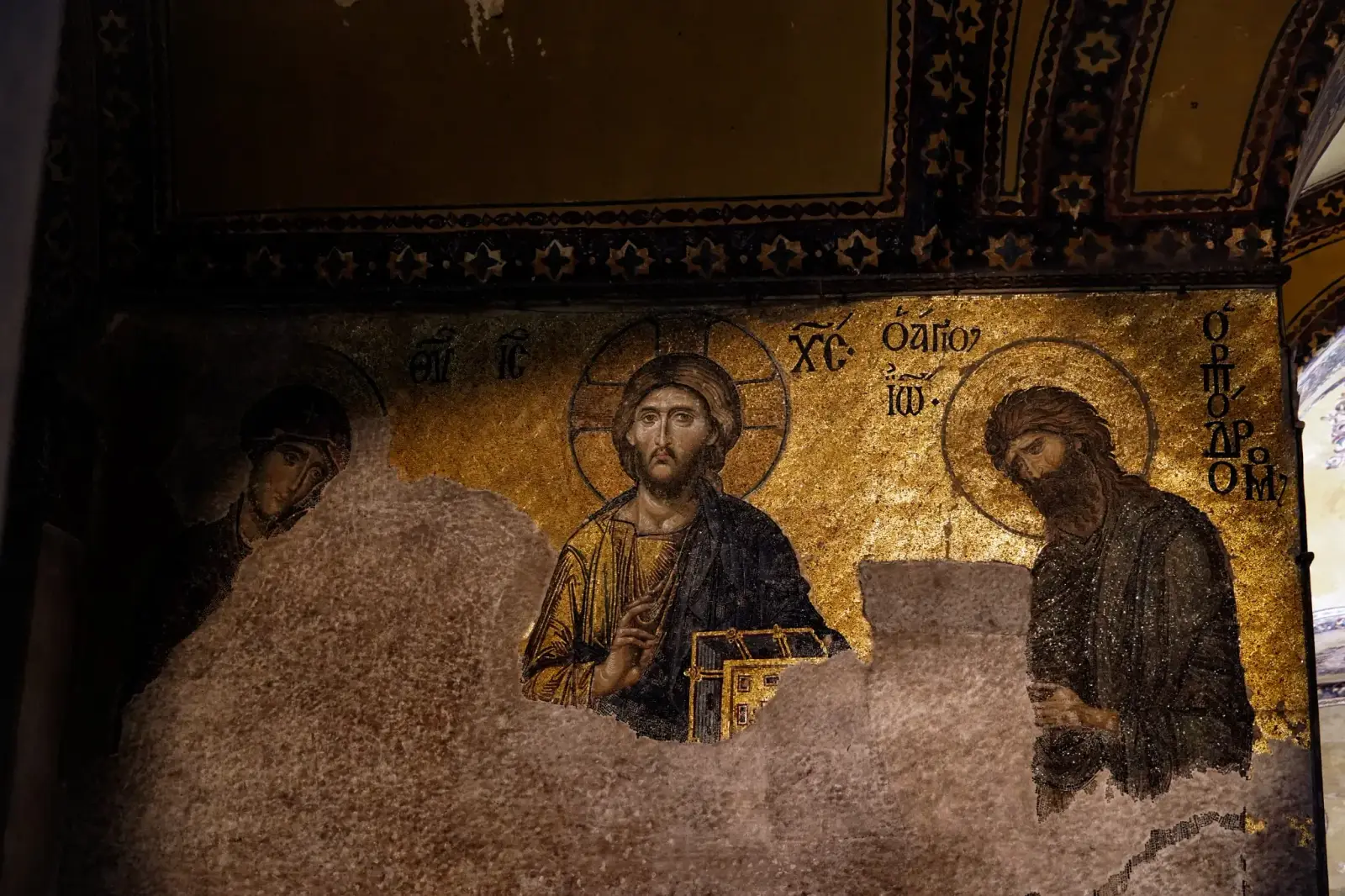
The visitor route leads up into the upper galleries, and honestly, this perspective gave me an appreciation for the architecture that I had never quite grasped from the ground level on earlier visits. Up on the stone ramps, the air felt cooler. Walking beneath the massive vaulted arches, I found myself face to face with the famous golden mosaics. The Deesis mosaic stopped me in my tracks; even where large patches of plaster have fallen away over centuries, the gentle expression of Christ and the exquisite detail of John the Baptist’s robes remain astonishingly vivid.
From the balustrades of the gallery, I leaned over to look down across the vast carpeted prayer hall beneath the central dome. The monumental calligraphic medallions seemed close enough to touch. What struck me most was the play of light. Sunlight sliced through the ring of arched windows beneath the dome, illuminating floating dust motes and creating a sense of weightlessness that defies the millions of kilograms of brick and stone overhead. I took my time circling the perimeter, studying the carved marble capitals and the faint markings left behind by centuries of visitors before descending back into the daylight.
Tickets and visiting hoursHagia Sophia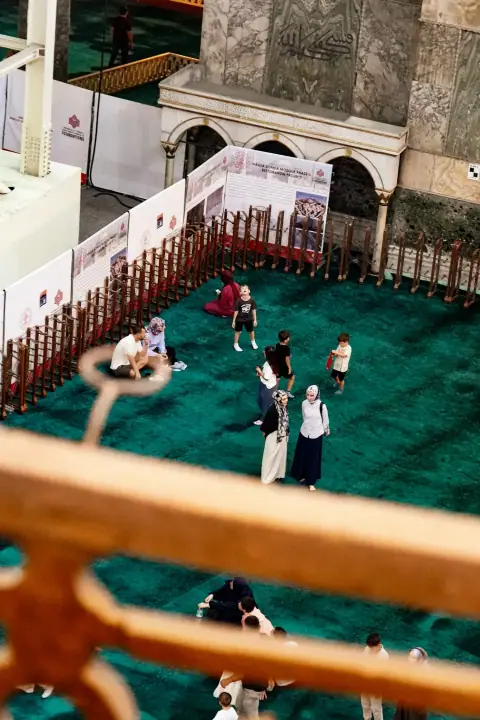
Descending into the dark: The Basilica Cistern
Leaving Hagia Sophia, I walked across the tram tracks toward the modest brick entrance pavilion of the Basilica Cistern. The transition between the two sites takes merely a couple of minutes on foot, yet the contrast in atmosphere could hardly be greater.
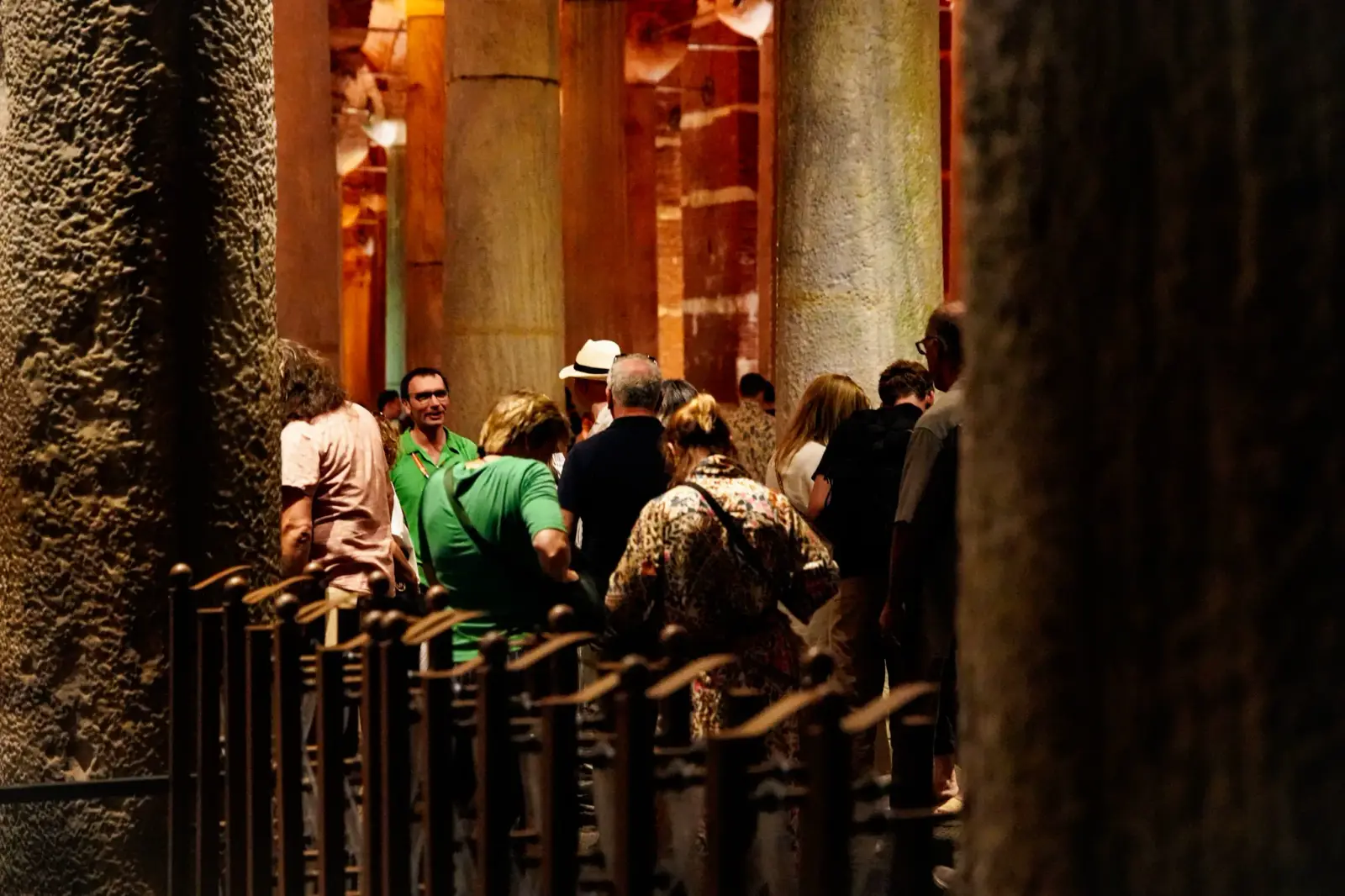
I descended the wide flight of stone stairs, and the ambient noise of the city vanished instantly. The air turned damp, cool, and earthy. In front of me stretched an immense underground forest of marble columns, planted right into shallow, crystal-clear water. Wooden walkways now wind through the entire reservoir, suspended just inches above the water's surface.
I walked slowly along the path, listening to the steady, rhythmic drip of water falling from the brick vaults overhead. The subtle lighting shifts gradually, casting long shadows across the fluted and smooth shafts that were salvaged from earlier classical temples across the empire. The engineering is staggering: an underground cistern built to store tens of thousands of cubic meters of fresh water brought via aqueducts from distant forests to supply the Great Palace.
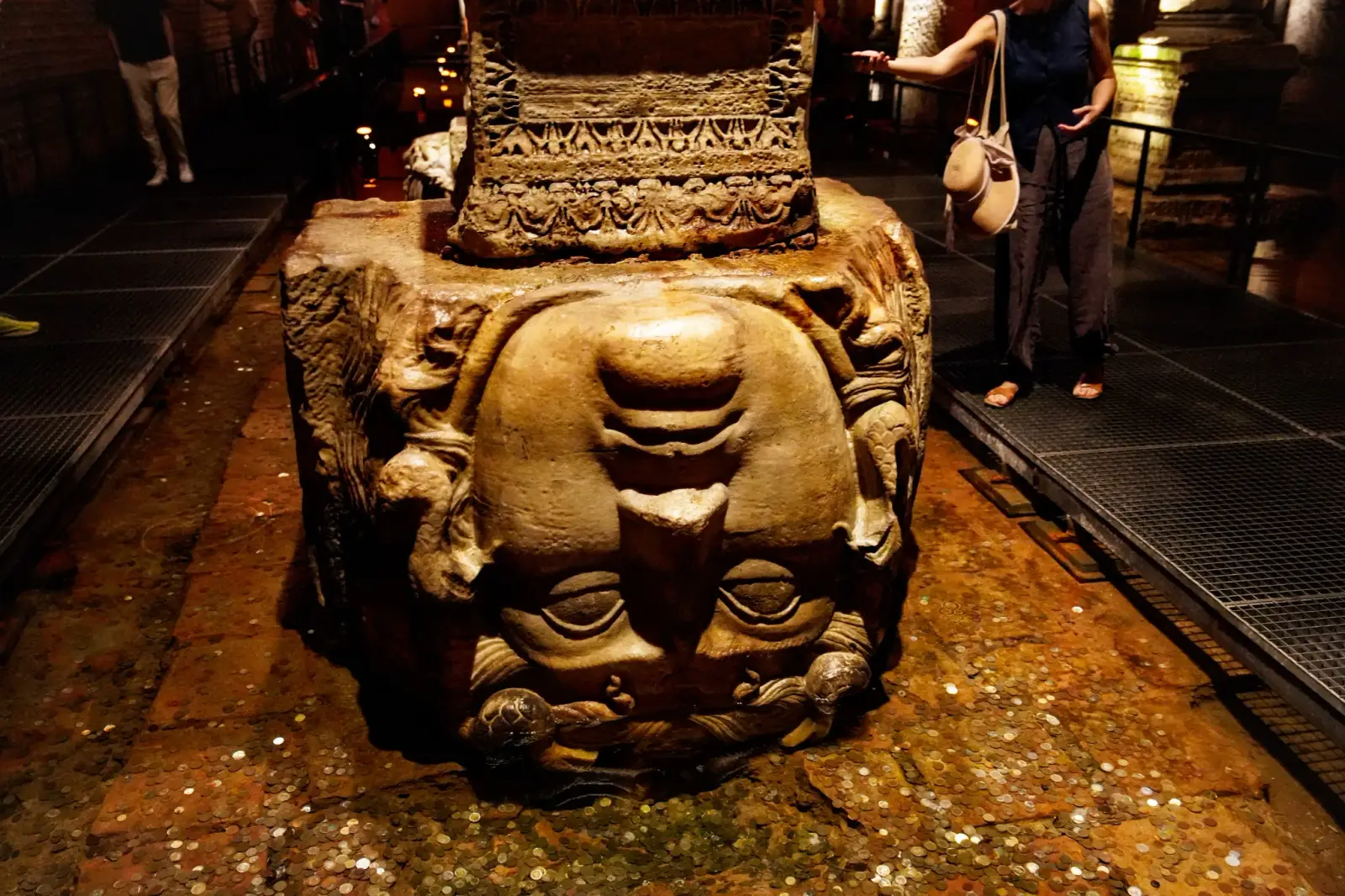
Near the northwestern corner of the cistern, the wooden pathway led me to the two famous Medusa column bases. Seeing them up close in the dim light remains an eerie experience. One head is tilted entirely sideways; the other is completely upside down, crushed beneath the weight of heavy stone shafts. Scholars still debate whether the Byzantine builders placed them that way out of practical necessity to balance column heights or to strip the pagan myth of its power. Either way, standing there above the quiet water, looking into those carved eyes, was a highlight of my morning.
Before heading back toward the exit, I paused near the Weeping Column, its surface slick with moisture, carved with teardrop-shaped peacock eyes. The underground walk was calming, unhurried, and perfectly balanced against the vertical grandeur of Hagia Sophia above.
Tickets and visiting hoursBasilica Cistern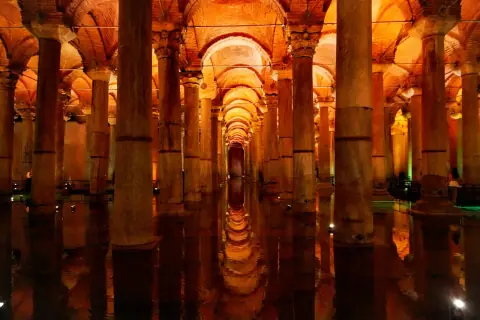
A late stroll along Soğuk Çeşme Sokağı
Emerging back into the midday air, I avoided the main commercial avenues packed with aggressive carpet shop touts. Instead, I looped behind Hagia Sophia and slipped onto Soğuk Çeşme Sokağı—Cold Fountain Street. This narrow, car-free lane hugs the massive outer stone walls of Topkapı Palace on one side, while the other side is lined with restored wooden Ottoman townhouses from the nineteenth century.
It is one of my favorite short stretches for a slow walk in Sultanahmet. The high stone battlements provide deep shade, and the absence of traffic allows you to hear your own footsteps on the stone. Walking along this quiet lane, you feel the transition from imperial public monuments into the secluded, residential fringe of the old court.
Winding down at Chimney Bistro
Right along this atmospheric stone lane, just a short distance from the palace walls and Hagia Sophia, sits Chimney Bistro. After several hours of walking on hard flagstones and timber planks, my legs were ready for a rest, and I was looking forward to a relaxed, quiet sit-down.
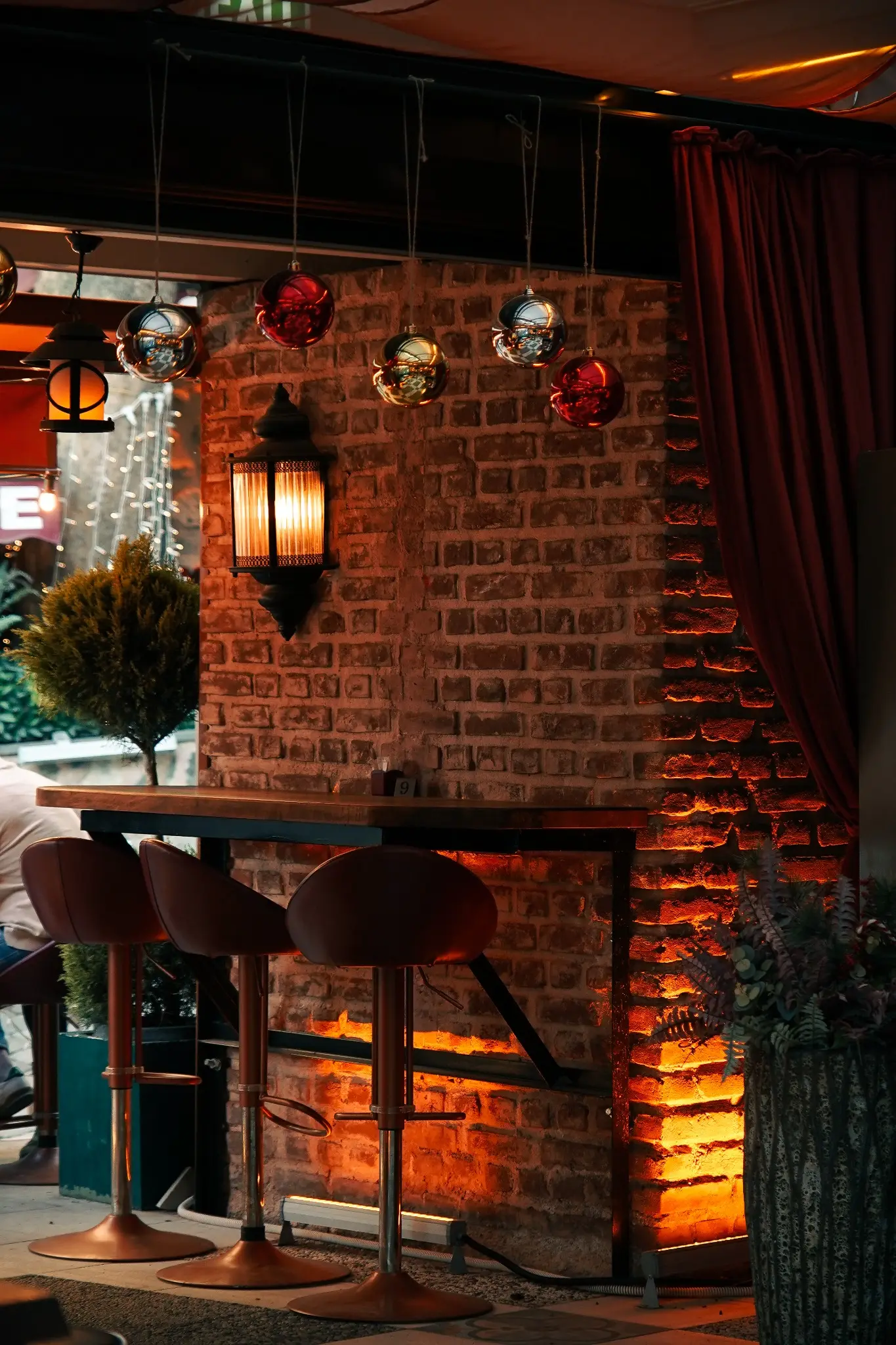
Inside, the bistro has a warm, unpretentious character with exposed brick walls, a solid brick bar, and a welcoming neighborhood feel that stands apart from the glossy tourist traps on Divan Yolu. When the weather allows, the open roof lets in the fresh evening air, giving the dining room a light, breezy atmosphere.

I had pre-booked the Chimney Combo, which includes a full meal and a drink, and it proved to be a practical, value-conscious choice. I opted for the minced beef pide, which arrived straight from the oven on a long wooden paddle: blistered crust, thin and crisp on the edges, and generously topped with savory, seasoned ground meat. Paired with a cold drink, it was exactly what I needed after half a day on my feet. There was no pushy upselling, no rush to turn the table, and the staff were genuinely pleasant. I stayed well past finishing my plate, enjoying the cool breeze coming in through the roof while jotting down my field notes from the cistern.
Book a table and the meal comboChimney Bistro, Sultanahmet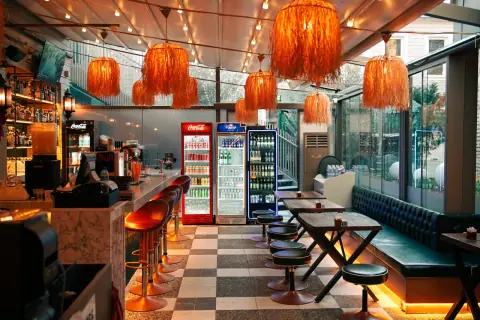
What I would do the same next time
- Pairing Hagia Sophia with the Cistern: Doing these two sites back-to-back made immense geographical and thematic sense. Going from the ethereal height and light of the upper galleries straight into the submerged, dim stone forest underground created a vivid contrast that made both buildings more memorable.
- Walking through Soğuk Çeşme Sokağı: Skipping the noisy tram avenue to cut behind the monuments kept the day peaceful and grounded.
- Ending at Chimney Bistro: Having a reserved table and meal package right by the palace wall saved me from wandering around hungry trying to dodge tourist menus in Sultanahmet. It provided a quiet, satisfying conclusion to an exceptional day.