Hi, I'm Maarten — and the Afternoon Sultanahmet Made Sense
Hi, I'm Maarten. After years of exploring Istanbul on foot, a quiet afternoon underground in Sultanahmet finally prompted me to write everything down.
Hi, I'm Maarten. In daily life back in Utrecht, I teach secondary school geography. That means my working weeks involve explaining tectonic plate boundaries, urban river dynamics, and settlement patterns to teenagers who would usually rather be doing something else. Whenever school holidays align, though, I pack a sensible pair of walking shoes and head straight for Istanbul. Sometimes I travel solo; other times my partner joins me. Either way, I have a strict rule: no taxis. If I cannot reach a neighbourhood by foot, tram, or public ferry, I rethink my route.
My fascination began during a university field excursion focused on urban geomorphology. While my classmates were eager to move on after the primary fieldwork, the physical topography of this city completely pulled me in. Istanbul is built over ridges, valleys, and deep water channels that dictate how people have moved for two millennia. A few trips in, I realized that my mental map was filled with practical details that rarely make it into glossy travel brochures—like where the pavement suddenly turns into slippery wet marble, or where you can sit quietly after hours on your feet without being steered into an overpriced tourist trap.
Descending Below the Pavement at the Basilica Cistern
The afternoon that convinced me to finally start keeping detailed notes was crisp and grey. I had been walking across the peninsula since breakfast, avoiding the congested traffic corridors and navigating the back alleys behind the tram tracks. My legs needed a break from street-level asphalt, so I headed across from the square toward the Basilica Cistern.
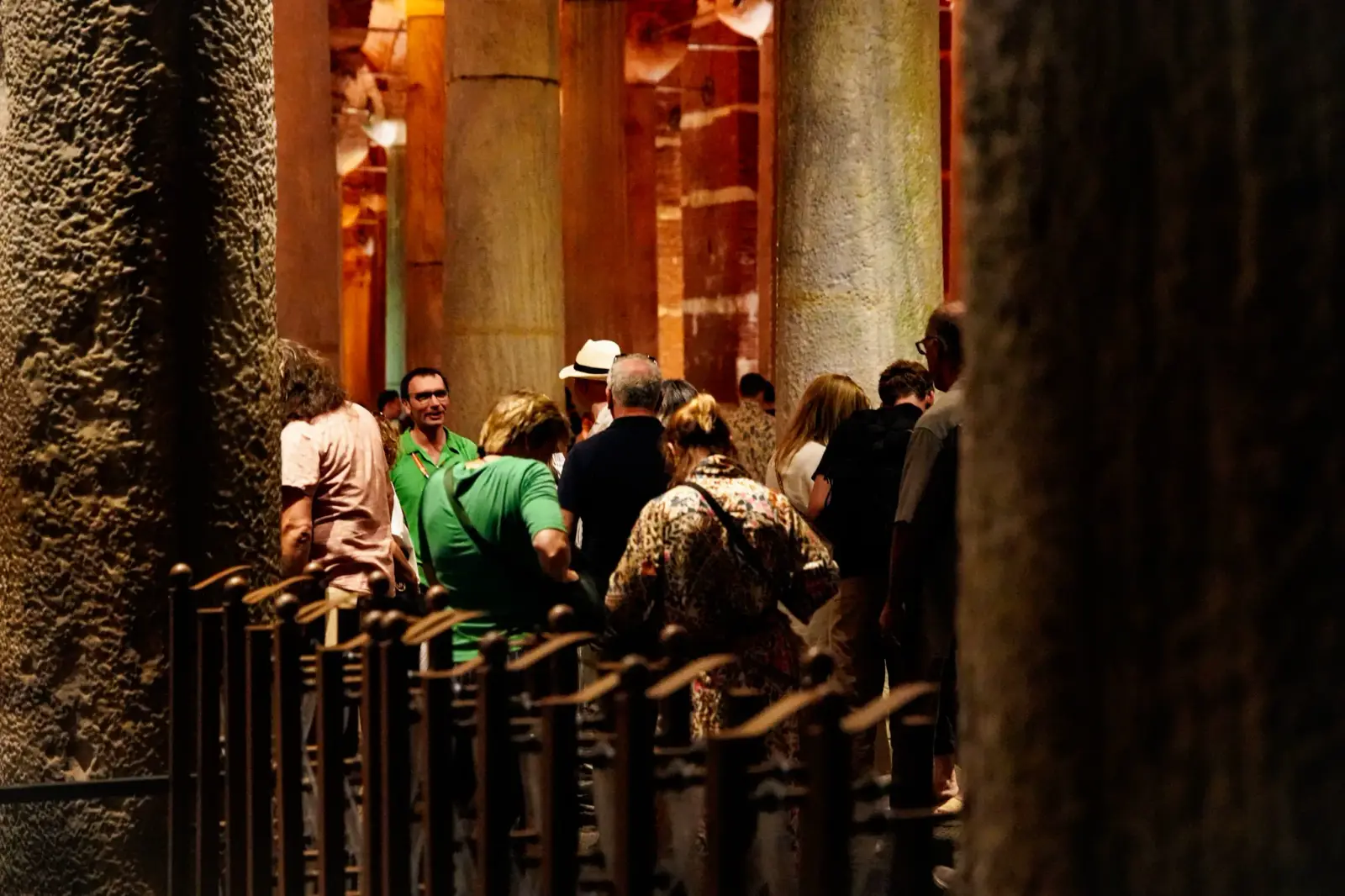
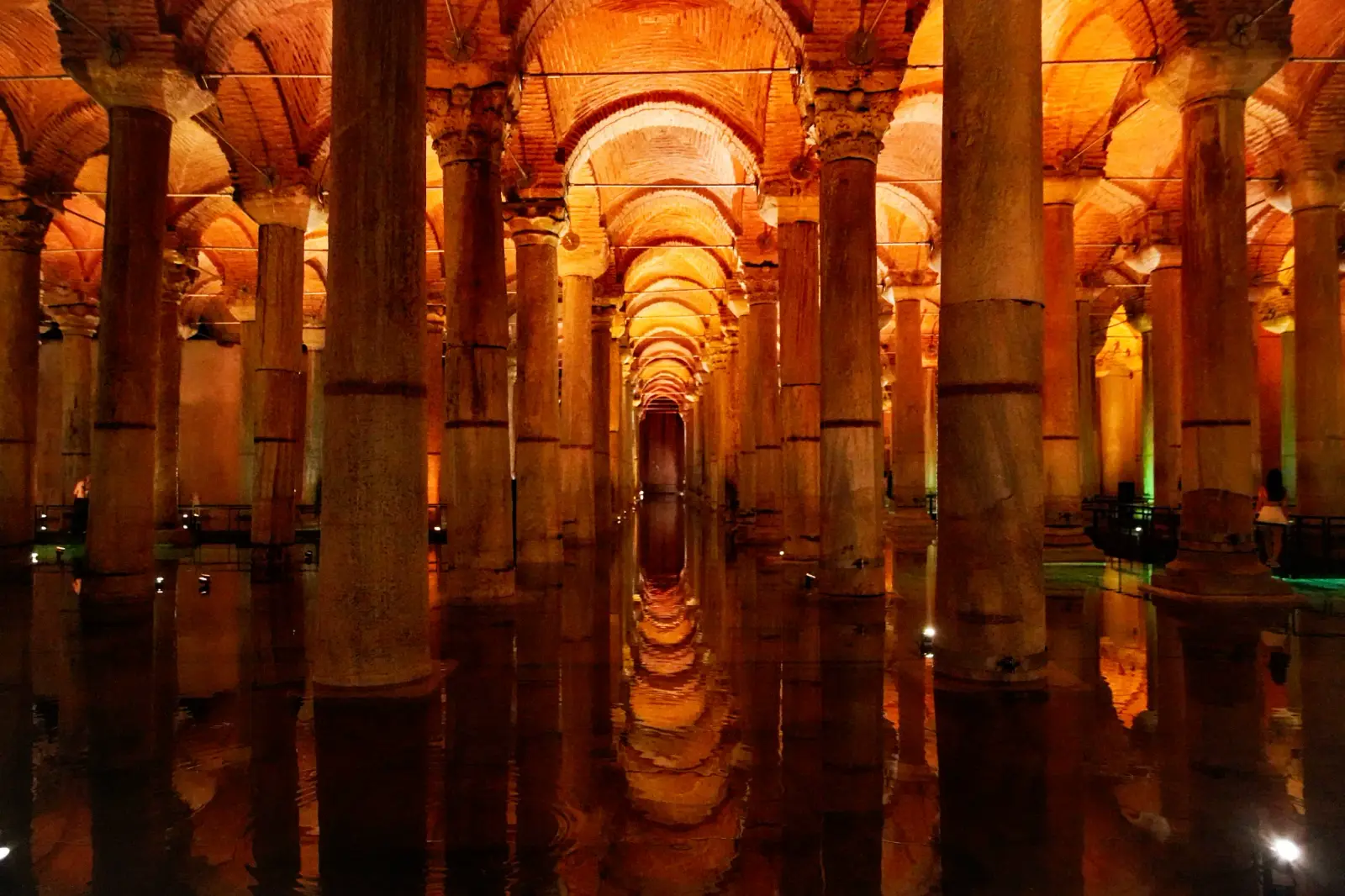
Stepping down from the street into that subterranean space changes your perspective instantly. The noise of the city above—trams rattling along Divan Yolu, horns, street vendors—simply cuts out. What replaces it is cool, dim air and the steady sound of water dripping from brick vaulting into the shallow pools below.
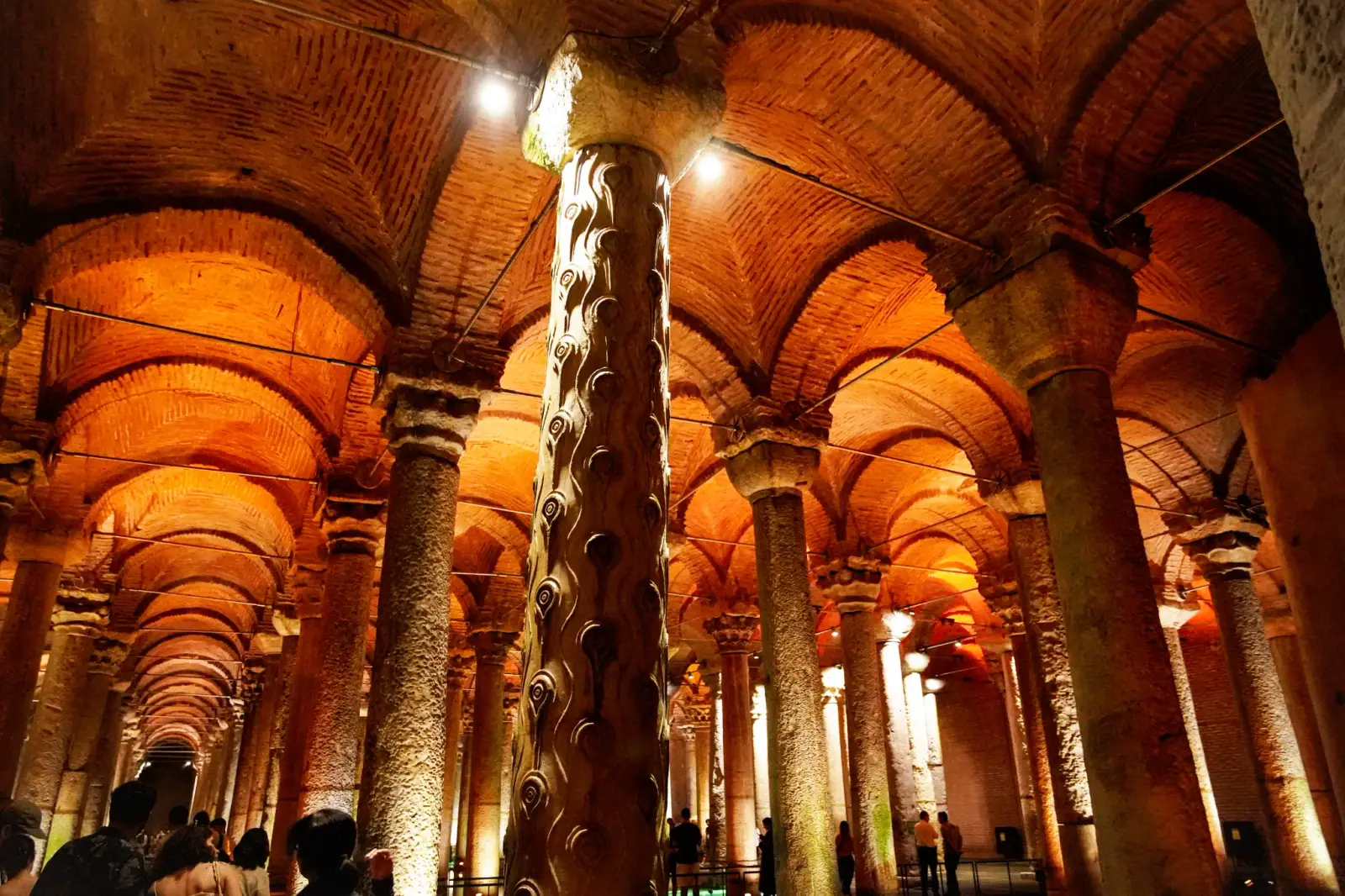
As a geography teacher, what always catches my eye here is the sheer pragmatism of Byzantine water engineering. The reservoir is sustained by a forest of marble columns salvaged from classical Roman temples across the empire. Walking along the raised wooden pathways over the water, I took my time observing the different column styles. Some capitals are simple, while others are intricately carved Corinthian imports. I paused at the Weeping Column, its surface darkened and damp with continuous moisture, carved with what looks like teardrops or peacock eyes.
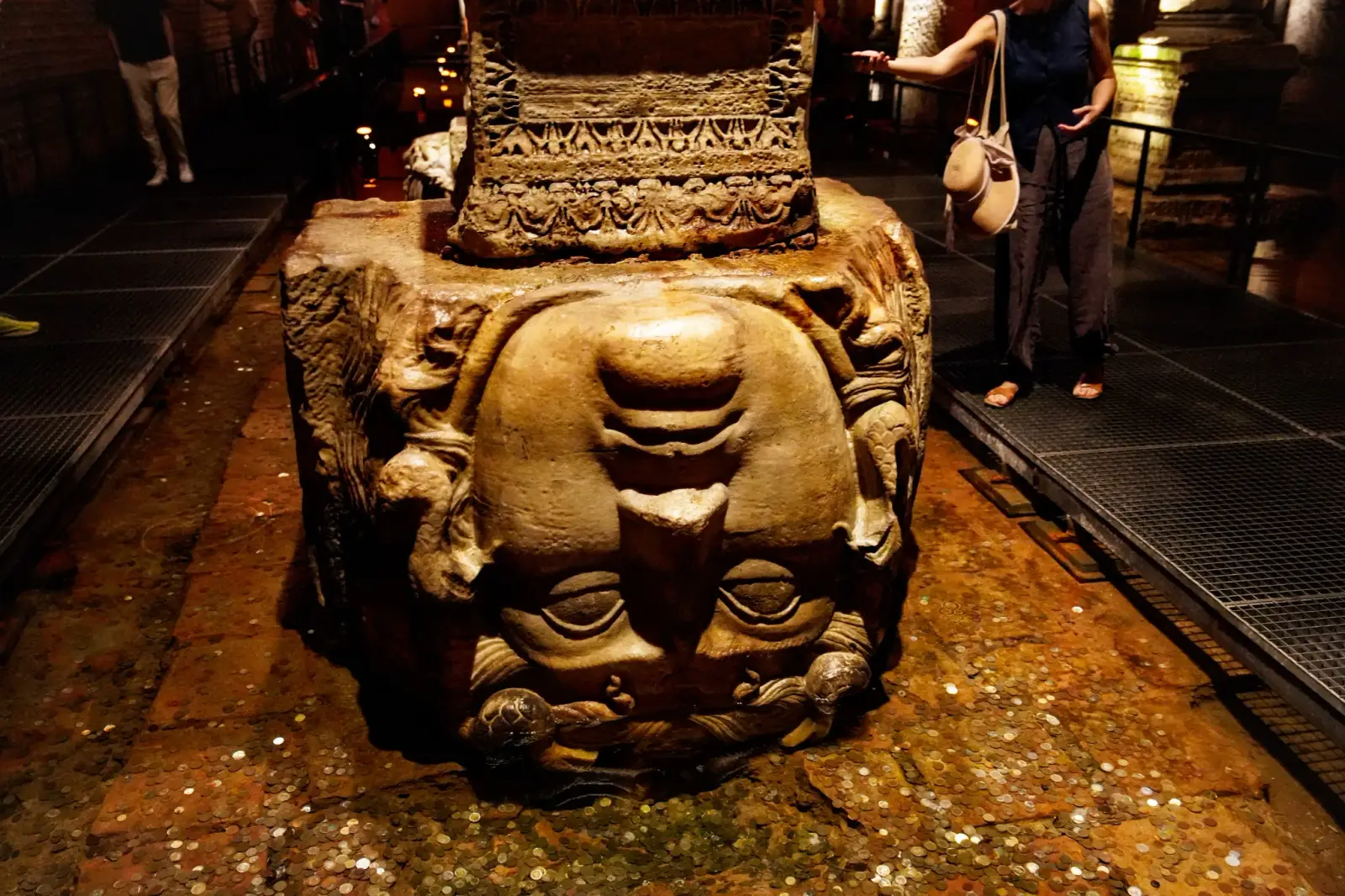
Deep in the far corner, the wooden walkways lead you to the two famous Medusa head bases. One lies turned sideways; the other sits completely upside down under the pillar shaft. Historians still debate whether placing them this way was intended to neutralize ancient superstition or simply because the builders needed raw stone blocks of exact structural dimensions. Standing there in the cool semi-darkness, watching the faint ripples on the water surface, I realized how much better a day in Sultanahmet feels when you treat it as a short, atmospheric stop between longer walks rather than a checklist to rush through.
Tickets and visiting hoursBasilica Cistern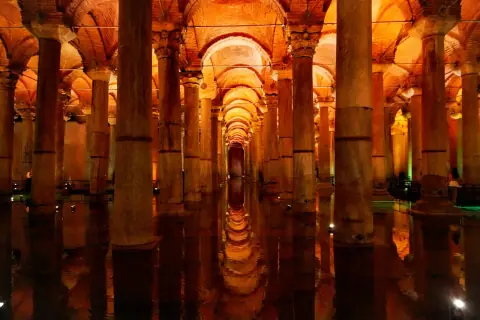
Walking the Outer Walls to Soğuk Çeşme Street
Coming back out into the pale daylight, my internal compass pointed away from the main tram avenue. I prefer to walk around the stone flanks of Hagia Sophia and follow the curving lane along the outer boundary walls of Topkapı Palace. The massive masonry walls buffer the wind coming off the water, and the cobblestones here feel entirely disconnected from the bustle just two hundred meters away.
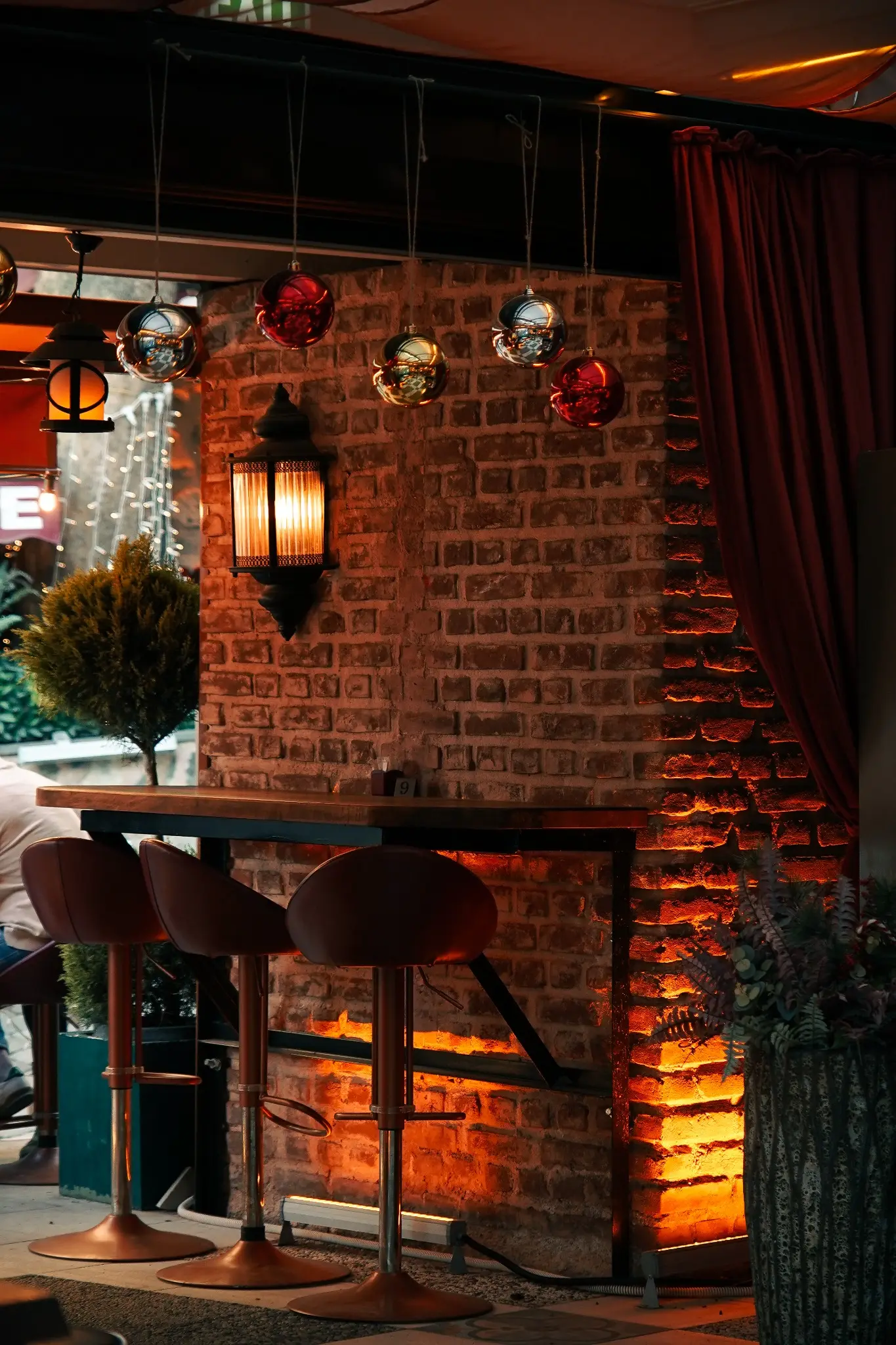
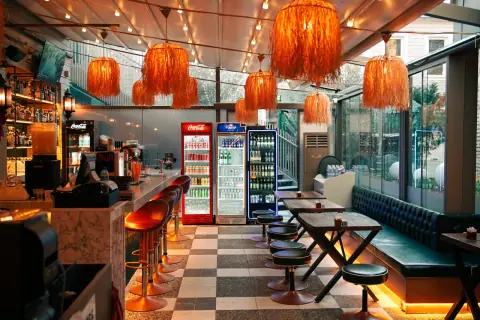
My destination was Chimney Bistro, nestled right against those towering stone fortifications on Soğuk Çeşme Street. By late afternoon, after miles of walking up and down peninsula gradients, finding a spot with an honest, laid-back atmosphere is worth its weight in gold. Inside, the bistro has an exposed brick bar and a relaxed, unhurried feel. Above, the open roof lets in the fresh evening air while keeping the space sheltered.
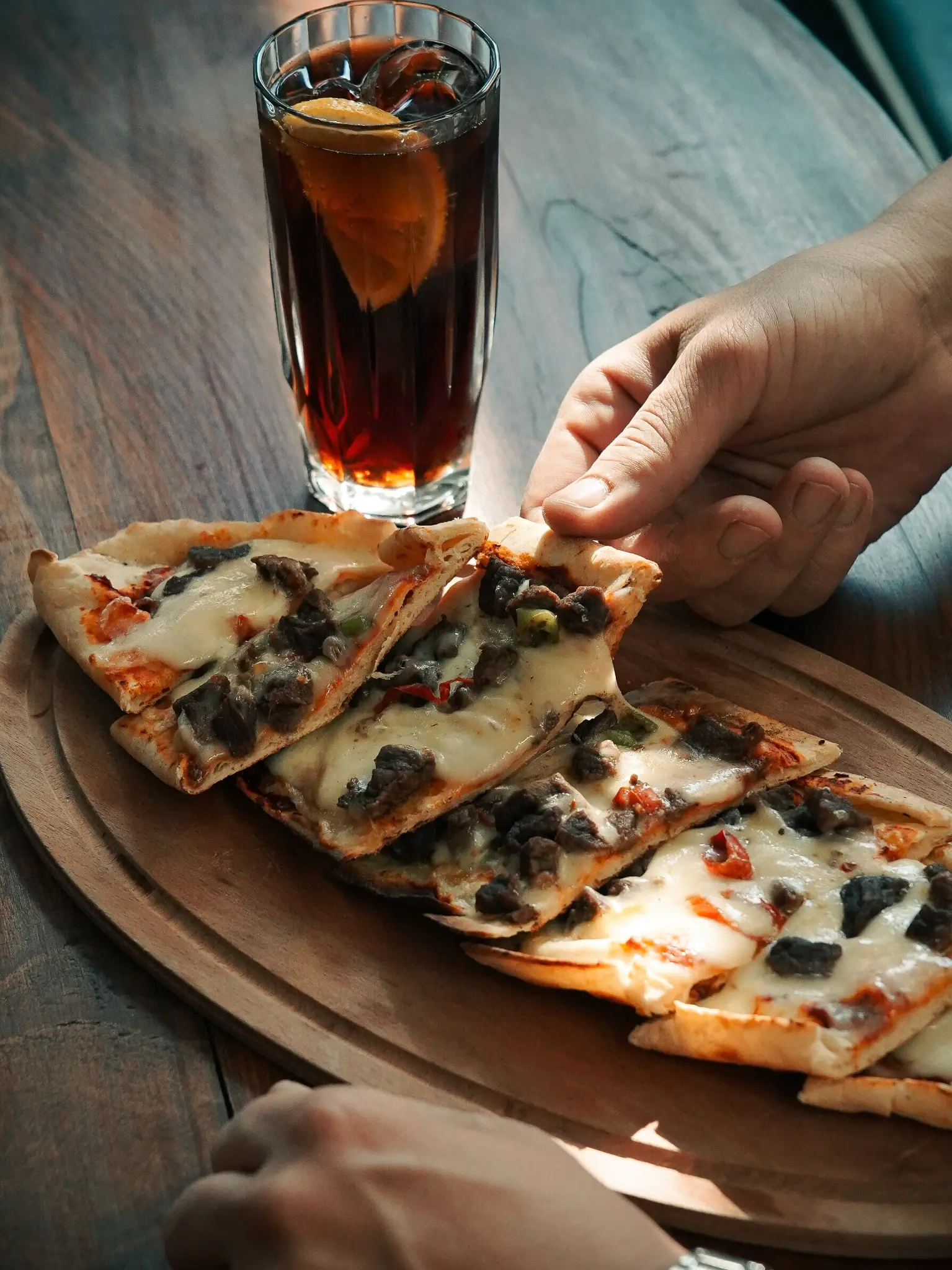
I settled onto a wooden stool near the brick bar, ordered a glass of wine and their freshly baked beef pide, and pulled out my small notebook. The crust was crisp, blistered from the heat, and savoury—proper comfort food that restores your energy after hours on the go. Sitting there by the old palace ramparts with my notebook open on the counter, jotting down notes on walking routes and quiet corners, this personal diary project officially took shape.
Book a table and the meal comboChimney Bistro, Sultanahmet