My waterfront day in Istanbul: Dolmabahçe, the strait, and the dervishes
I spent a full day following the water from Beşiktaş to the Old City, exploring Dolmabahçe, cruising the Bosphorus, and ending in silence with the semazens.
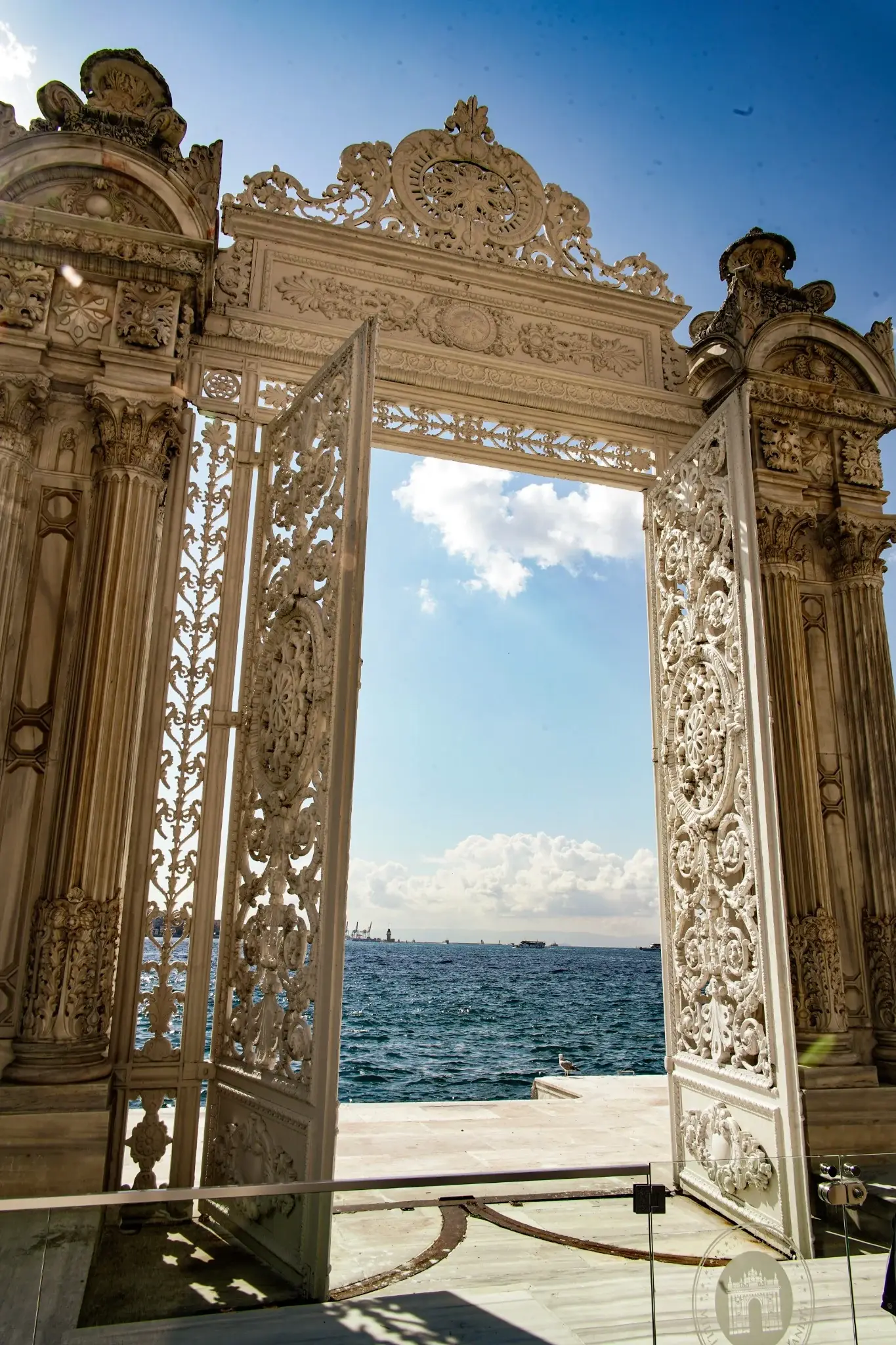
Moving with the water from Beşiktaş to the Old City
As a geography teacher, I have always looked at Istanbul through the way it moves along its water. For centuries, the Ottoman sultans looked out over the convergence of the Golden Horn and the Sea of Marmara from the high, fortified courtyards of the Historic Peninsula. Then, in the nineteenth century, imperial power moved down to the shore of the Bosphorus. On my latest trip, I wanted to dedicate a whole day to that maritime transition: starting at Dolmabahçe Palace in Beşiktaş, taking to the strait on a boat from Eminönü, and ending up back in the old quarter for an evening of quiet spiritual music.
I stepped out onto the shoreline promenade early, when the morning mist was still clearing off the Asian hills opposite. The traffic along the coastal avenue was already grinding into its usual knot of idling yellow taxis, which only reaffirmed my golden rule for this city: if you have two working legs, you walk.
The mirrored grandeur of Dolmabahçe Palace
Dolmabahçe sits right on the edge of the water, a stark contrast to the sprawling, walled pavilions of Topkapı. Here, everything speaks the formal, monumental language of nineteenth-century Europe, but translated into an Ottoman imperial setting. Walking past the ornate gates, the scale immediately felt different. Where the older palace was discreet and compartmentalized, Dolmabahçe was built to announce imperial prestige directly to the passing ships.
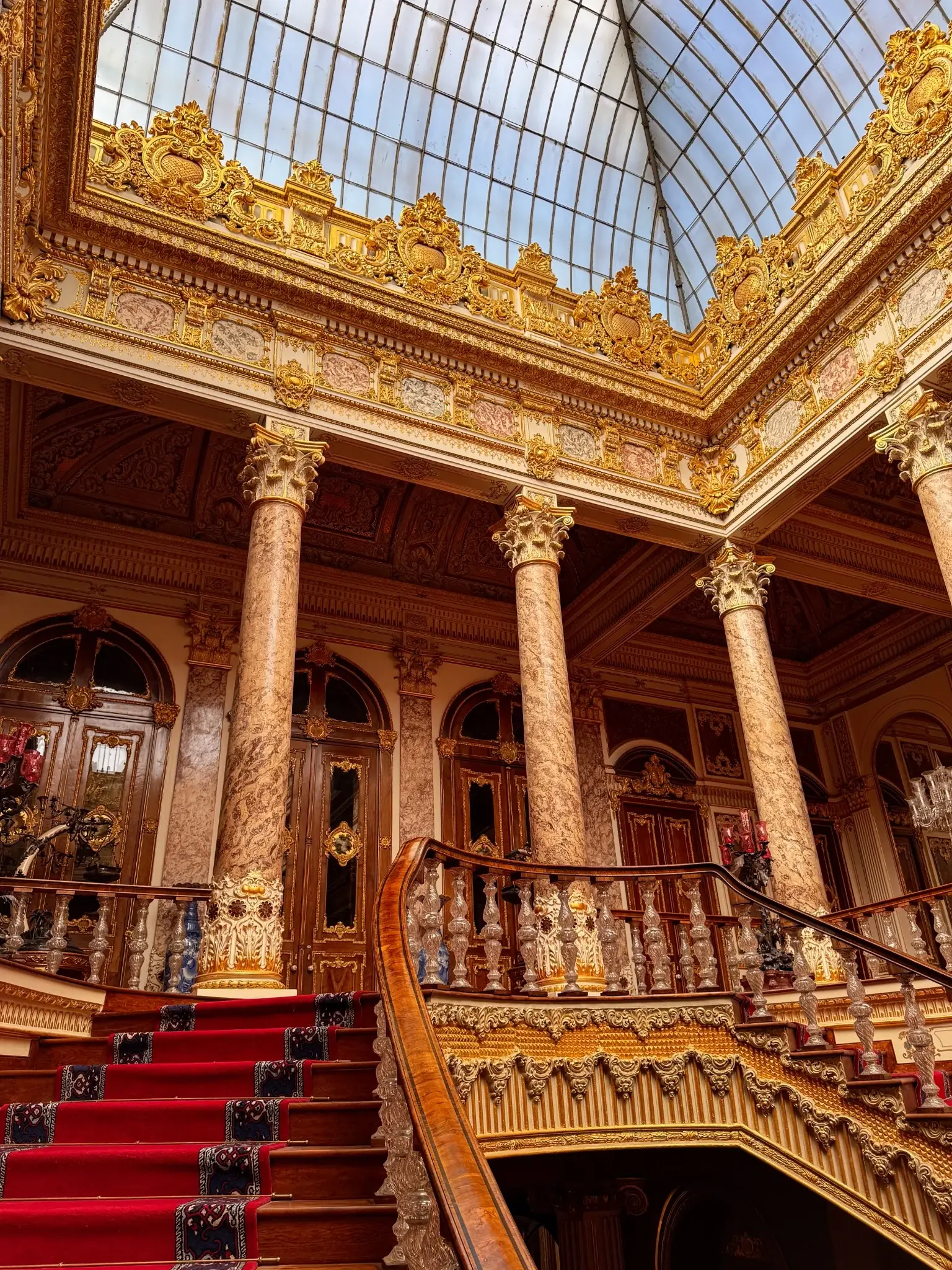
I joined the set walking route through the Selamlık, the state apartments where official business and receptions took place. The interior is lavish in a way that feels almost overwhelming to a sober Dutch eye. The famous crystal staircase swept upward beneath a skylight, its banisters gleaming under the overhead glass, runner carpets guiding the path between grand reception halls. Room after room was filled with heavy parquet floors, French fireplaces, and layered gold leaf.
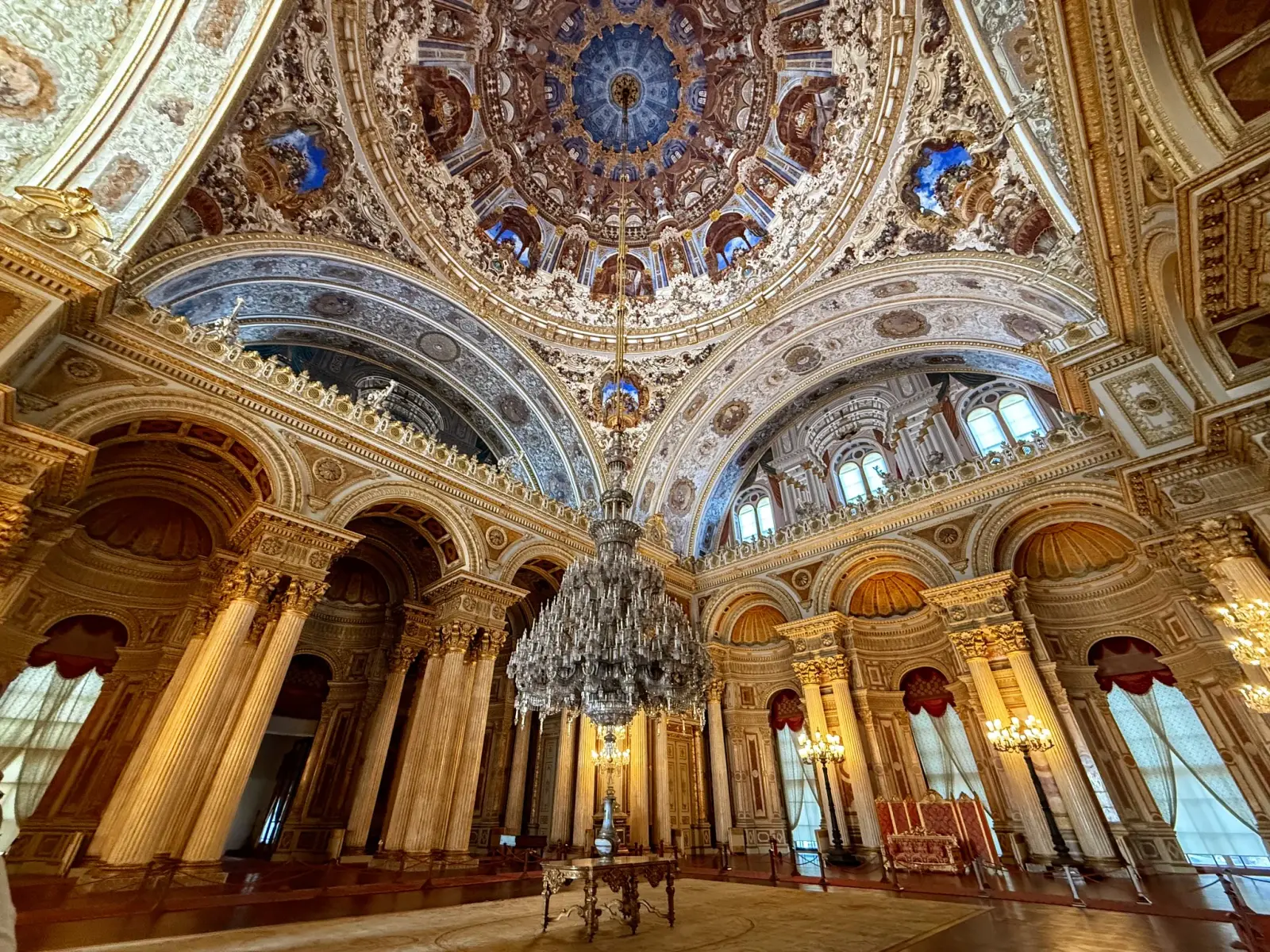
What stopped me in my tracks was the massive Ceremonial Hall. Standing beneath that immense dome, looking up at the colossal British chandelier hanging suspended in the center, I felt genuinely dwarfed. The space was designed to host hundreds of dignitaries, with columns flanking the hall and windows framing blue slices of the Bosphorus just outside. Moving further into the palace, the mood shifted completely in the private quarters. Standing in the bedroom where Mustafa Kemal Atatürk died brought an abrupt, solemn hush after the gilded pomp of the preceding salons. Outside in the gardens, I spent twenty minutes simply leaning against the wrought-iron gates at the water’s edge, watching the swells slap against the white stone embankment.
Tickets and visiting hoursDolmabahçe Palace
Walking the shore to Eminönü
Instead of squeezing onto a crowded tram or braving the coastal traffic, I walked the entire stretch back toward the Galata Bridge. The walk took me south past Kabataş and Tophane into Karaköy. It is one of my favorite urban strolls in Europe: modern art galleries, hardware shops, traditional bakeries, and the constant presence of the water on the left hand.
Crossing the Galata Bridge on foot gave me the midday perspective I wanted. Below the deck, the smell of fried fish drifted from the eateries; above, dozens of local fishermen stood shoulder-to-shoulder, their nylon lines dangling over the Golden Horn. In front of me, the minarets of the Historic Peninsula rose against the pale sky. I walked off the bridge onto the busy docks of Eminönü, wove past the vendors selling roasted chestnuts and simit, and headed straight toward the boat pier.
Up the strait by boat
Boarding a sightseeing cruise along the Bosphorus from the Eminönü side is something I try to do on almost every visit, but taking it immediately after touring Dolmabahçe gave the shoreline an entirely new context. Standing on the open deck with a cool breeze cutting across the wake, I watched the European bank unfold in reverse.
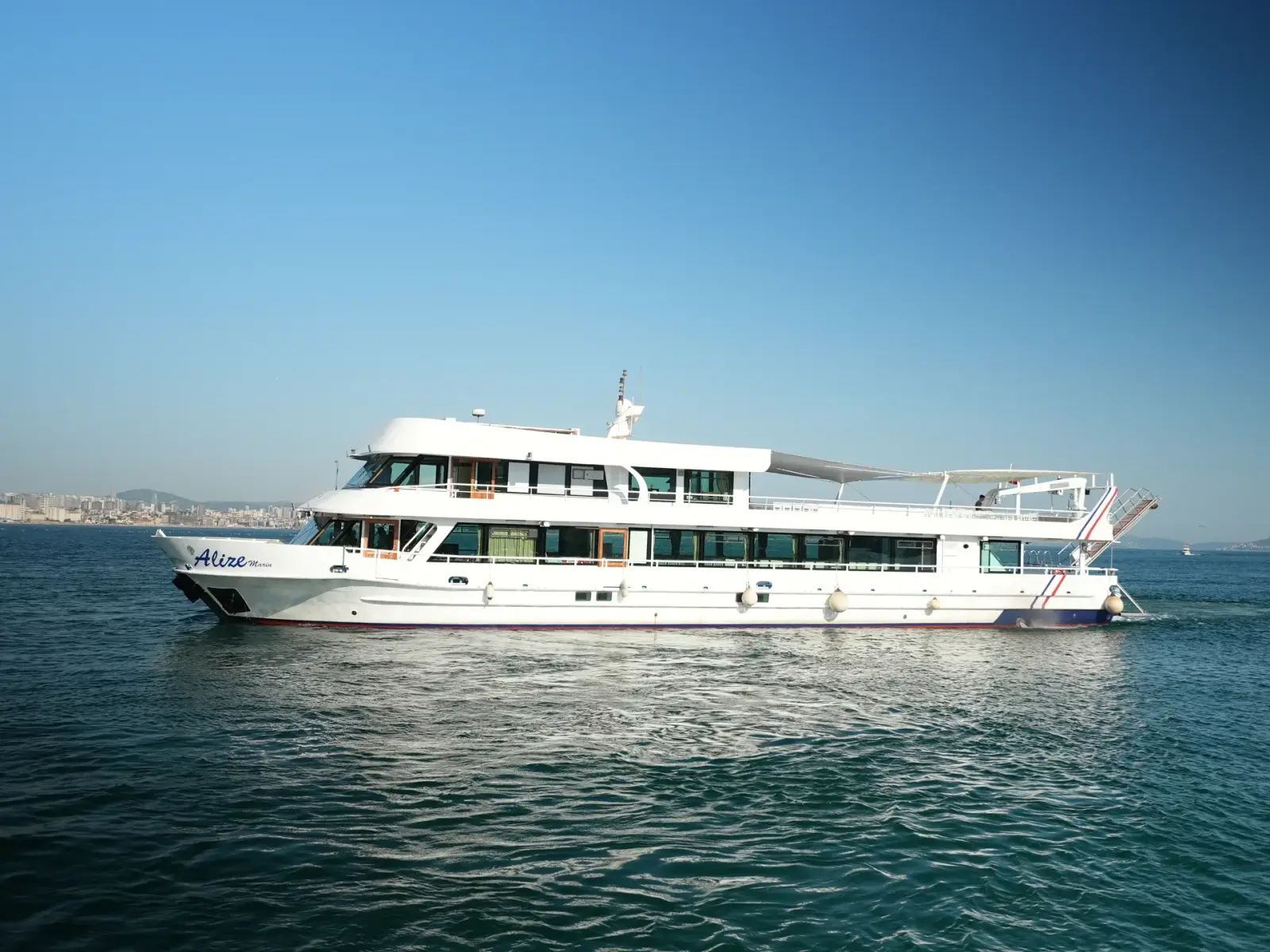
From the water, you understand why the city grew the way it did. The boat pulled out into the channel, cutting past the mouth of the Golden Horn and heading north between Europe and Asia. Within minutes, Dolmabahçe appeared again, but this time viewed as the architects intended: a massive white facade floating directly on the surface of the sea, flanked by its sea gates. A little further up stood Çırağan Palace, followed by the picturesque Ortaköy Mosque nestled squarely beneath the giant suspension bridge.
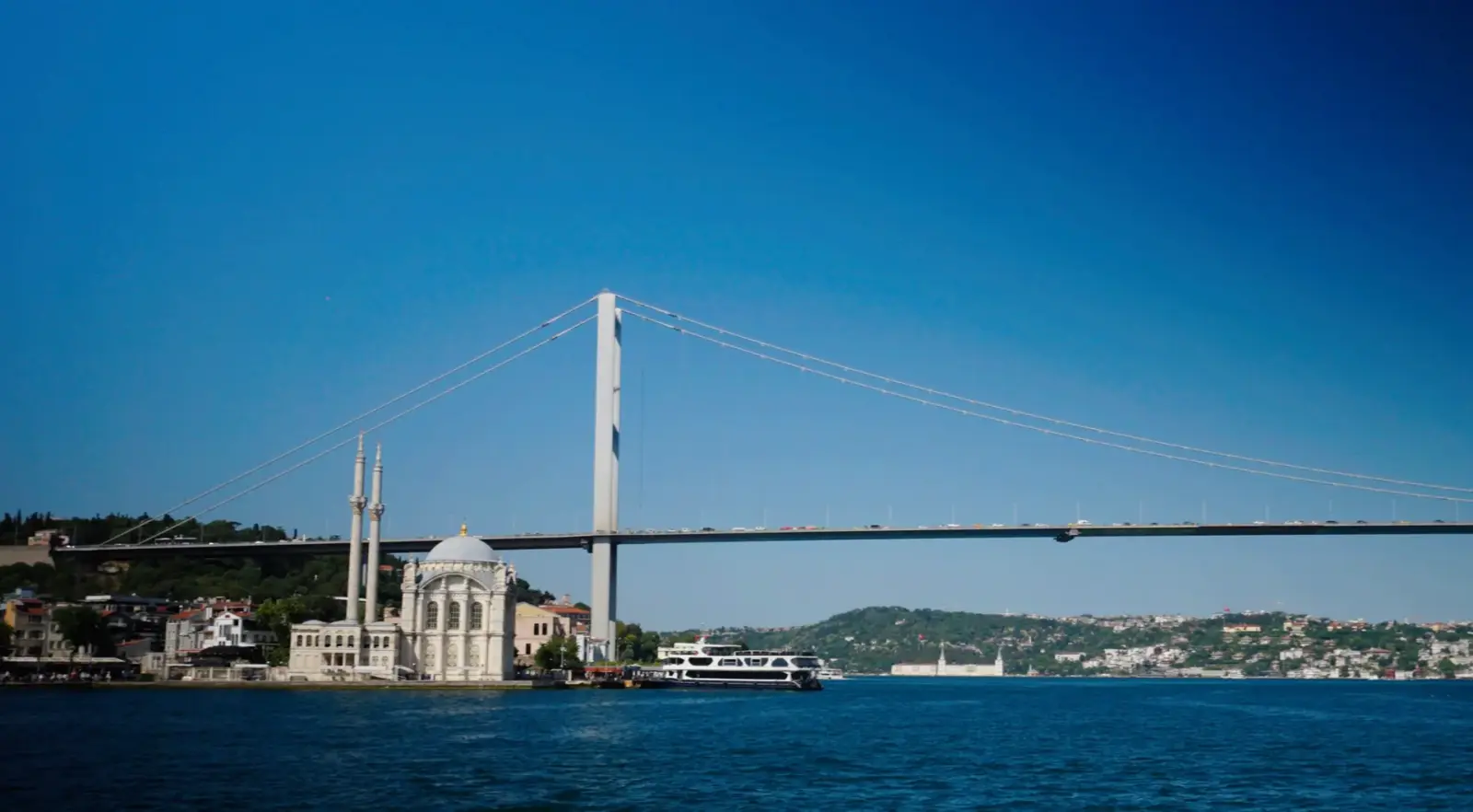
As the boat pushed deeper north, the grand palaces gave way to the wooden waterfront mansions, the yalı, their foundations resting in the salt water. Passing beneath the towering stone battlements of Rumeli Fortress, the sheer strategic choke-point of this waterway became glaringly obvious. To sit on a wooden bench, watching seagulls dive into the boat’s frothing wake while turning my head between two continents, cost very little effort and offered the best geography lesson Istanbul can provide.
Tickets and visiting hoursBosphorus cruise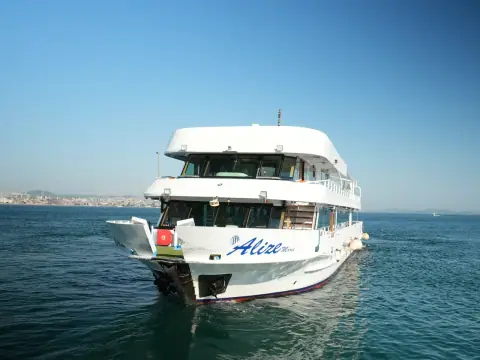
Silence and turning in the Historic Peninsula
By the time the boat looped back and docked at Eminönü, the late afternoon light was softening into copper tones across the dome of the New Mosque. I had deliberately avoided planning a noisy evening in a bar. Instead, I walked up from the docks into the quiet backstreets of the Historic Peninsula, heading toward a hall where the Mevlevi sema ceremony was being held.
I have seen tourist spectacles disguised as folklore elsewhere, but the sema is distinct. It is a genuine spiritual ritual, rooted in the teachings of Mevlana Celaleddin Rumi, and the atmosphere in the hall reflected that from the moment I sat down. The audience was instructed to maintain complete silence, and all photography was forbidden once the ceremony began.
First came the music: the mournful, breathy sound of the reed flute, the ney, accompanied by the steady, hypnotic pulse of the kudüm drum. The semazens entered in long black cloaks, which they eventually discarded to reveal billowing white robes and tall camel-hair caps. As they began to turn, one hand open upward toward the divine and the other turned downward toward the earth, the rustle of their skirts moving through the air became the only sound in the room. Watching them revolve in precise orbits across the floor was mesmerizing in a very deep, quiet way. After the visual sensory overload of Dolmabahçe’s chandeliers and the windy roar of the Bosphorus, the stillness of the ritual anchored the entire day.
Tickets and visiting hoursWhirling dervish ceremonyWhat I would do the same next time
- Pairing the palace with the boat: Seeing Dolmabahçe from the inside in the morning and then seeing its entire sea frontage from the deck of a boat in the afternoon gave me a far deeper appreciation of the building’s setting.
- Keeping to my own two feet: Walking the entire distance between Beşiktaş and Eminönü allowed me to absorb the street-level transition between the modern waterfront and the older quarters without losing time in gridlock.
- Ending in quietness: Choosing a contemplative Mevlevi ceremony over a crowded dining strip was the right psychological counterweight to a day spent covering long distances on foot and water.